

Yes - for people who have hearing loss alongside their tinnitus, hearing aids reduce how loud and how intrusive the tinnitus feels for the majority of users. They work by restoring the external sound that naturally masks tinnitus and by reducing the brain's compensatory gain that produced the phantom sound. They do not eliminate tinnitus, and they help little if hearing is normal. A tinnitus assessment establishes which group you are in before anything is fitted.
The mechanism, in plain terms
When hair cells stop transmitting at particular frequencies, the auditory system compensates by increasing its own gain. With no real input at those frequencies, that amplified neural activity is perceived as sound. Putting the missing frequencies back through amplification does two things at once: it gives the brain real input to work with, and it fills the acoustic silence in which tinnitus is most obvious.
This is also why the effect builds gradually. Neural gain adjusts over weeks, so people who wear their aids all day, every day, do considerably better than occasional users.
What to expect realistically
| Situation | Likely benefit | Notes |
|---|---|---|
| Tinnitus with moderate hearing loss | High - most users report reduced intrusiveness | Best evidence base |
| Tinnitus with mild high-frequency loss | Moderate to high | Open-fit devices work well |
| Tinnitus with normal hearing | Low | Sound therapy or TRT is more appropriate |
| Pulsatile tinnitus | Low | Needs medical investigation first |
| Tinnitus with hyperacusis | Moderate | Requires careful, graded fitting |
Built-in tinnitus programmes
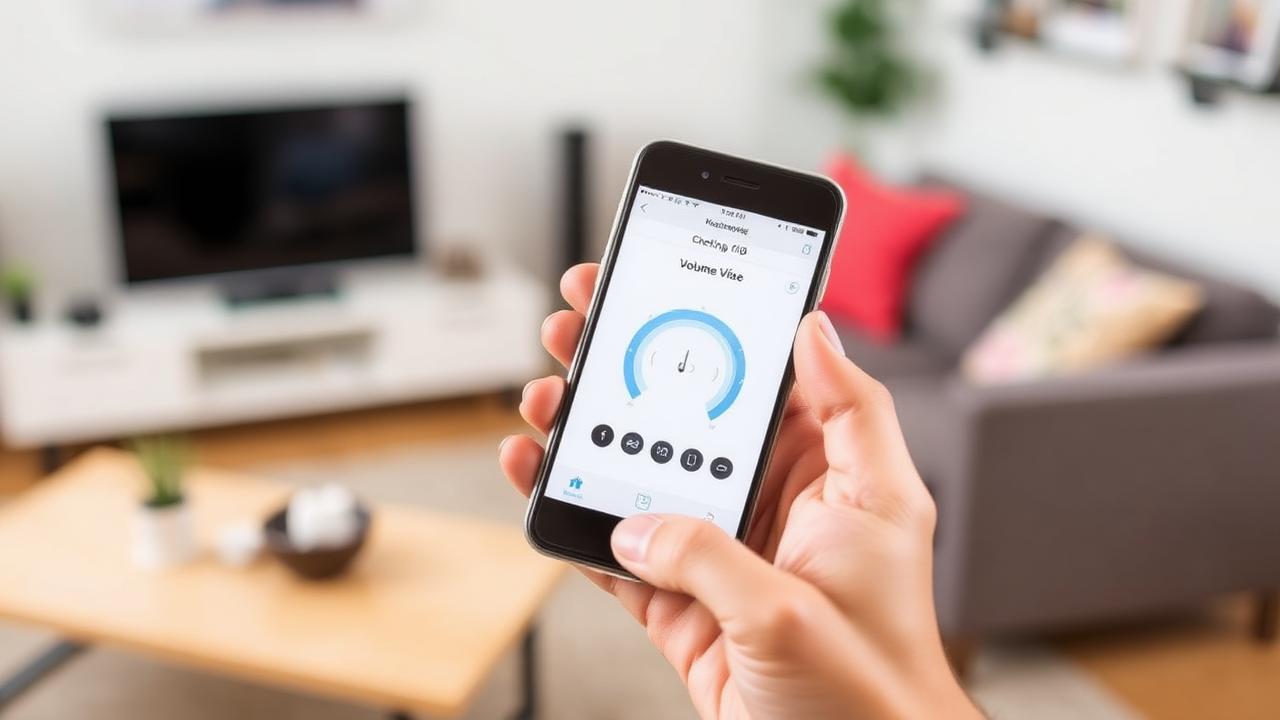
Most current devices from the major manufacturers include a tinnitus programme generating broadband noise, notched noise or nature sounds, adjustable from a phone app. These are effectively sound therapy delivered through a device you are already wearing. Notched programmes remove a narrow band around your matched tinnitus frequency, which is why accurate pitch matching during assessment is worth doing properly.
- • Set the therapy sound just below your tinnitus, not over it.
- • Use it during quiet periods rather than continuously all day.
- • Expect the benefit to be habituation over months, not silence today.
- • Have the settings reviewed once your ears adapt to amplification, usually at six to eight weeks.
One aid or two?
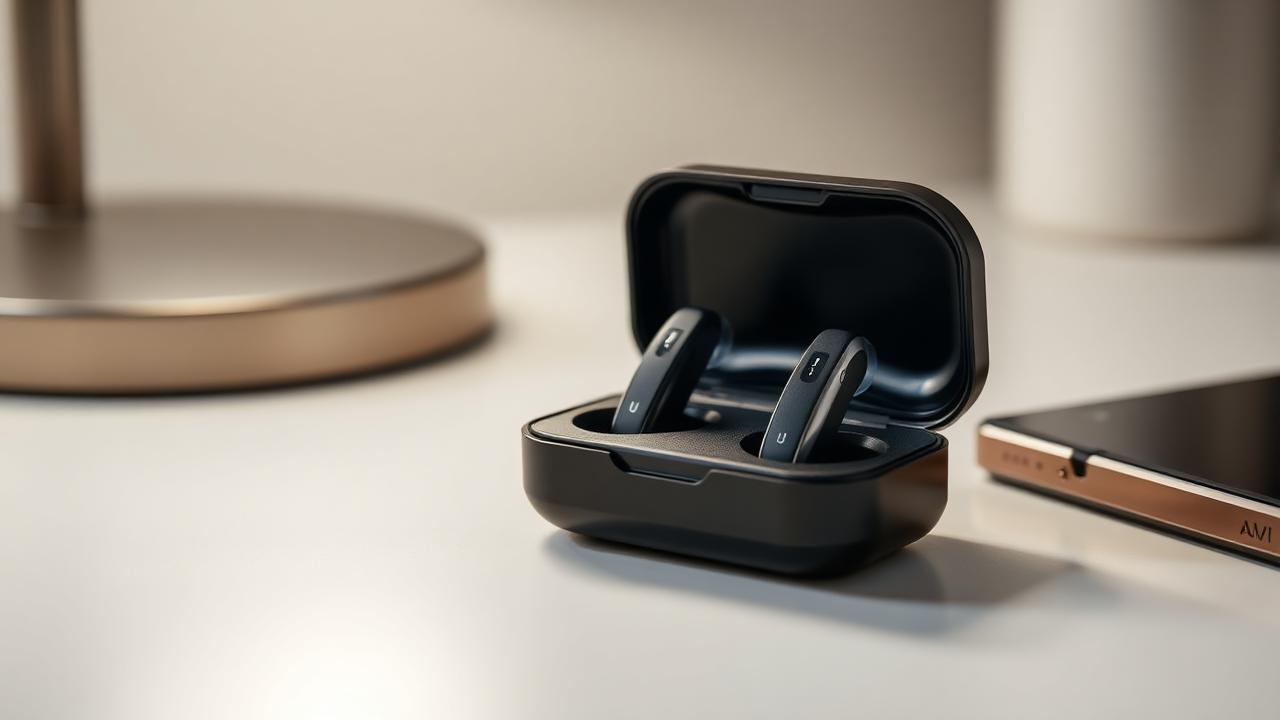
If both ears have hearing loss, fit both. Unilateral fitting in a bilateral loss tends to shift tinnitus perception towards the unaided ear and gives poorer localisation and speech-in-noise performance. If loss is genuinely one-sided, a single aid is appropriate, but asymmetric hearing loss should be medically reviewed before fitting.
Get urgent medical advice if tinnitus starts suddenly in one ear, pulses in time with your heartbeat, follows a head injury, or comes with sudden hearing loss, dizziness or facial weakness. Sudden one-sided hearing loss is treated as an emergency and needs same-day assessment.
Who hearing aids will not help
If your audiogram is normal, amplification has little to work with and may even be counterproductive. In that case the evidence supports sound therapy for tinnitus, structured tinnitus retraining therapy, or cognitive behavioural therapy for the distress element. Amplification is also the wrong first step for pulsatile tinnitus, which needs medical investigation.
The order matters: assess, identify the cause, then choose the intervention. Fitting hearing aids to unassessed tinnitus is a reasonable guess at best and an expensive mistake at worst.
Cost and next steps
A full diagnostic hearing assessment establishes whether amplification is the right route. If it is, our hearing aid fitting service covers the device selection, real-ear verification and follow-up. If it is not, the assessment still gives you a written plan for the options that do apply.
Frequently asked questions
Clinical References & Sources
- NICE CKS (2024). Tinnitus: clinical knowledge summary. cks.nice.org.uk
- NHS (2023). Tinnitus. nhs.uk
- Tinnitus UK (2024). About tinnitus. tinnitus.org.uk
- RNID. Hearing aids and tinnitus. rnid.org.uk
Reviewed 27 July 2026. Next scheduled review: September 2026.