

There is currently no proven cure that eliminates tinnitus outright. What does work is treating any underlying cause, restoring missing hearing, and reducing how much attention the brain gives the sound. In practice that means wax removal where relevant, hearing aids where there is hearing loss, sound therapy, and structured therapy programmes. Most people who book a tinnitus assessment in Aylesbury are not chasing silence - they are chasing the point where they stop noticing it.
That distinction matters, because the tinnitus market is full of products sold on the promise of a cure. Below is an honest split between what has evidence behind it and what does not.
What genuinely helps
| Approach | Who it suits | Evidence |
|---|---|---|
| Treating the cause (wax, infection, fluid) | Anyone with a recent, one-sided or muffled onset | Strong - often resolves completely |
| Hearing aids | Tinnitus with any degree of hearing loss | Strong - reduces perceived loudness for most users |
| Sound therapy / sound enrichment | Tinnitus worst in quiet, especially at night | Good - reduces contrast and intrusiveness |
| Tinnitus Retraining Therapy (TRT) | Persistent, distressing tinnitus | Good over 12-24 months |
| CBT for tinnitus | Tinnitus causing anxiety, low mood or insomnia | Strong for distress, not for loudness |
| Sleep and stress management | Everyone | Good as a supporting measure |
Evidence-based tinnitus management options ranked by how consistently they help.
Step one: rule out the fixable causes
Before any long-term management, the treatable causes need excluding. Wax is the obvious one: if the canal is blocked, no amount of sound therapy will help until it is cleared. Middle ear fluid after a cold behaves the same way. A single appointment can settle both questions, and for a meaningful minority of people that is the entire treatment.
Step two: put the missing sound back
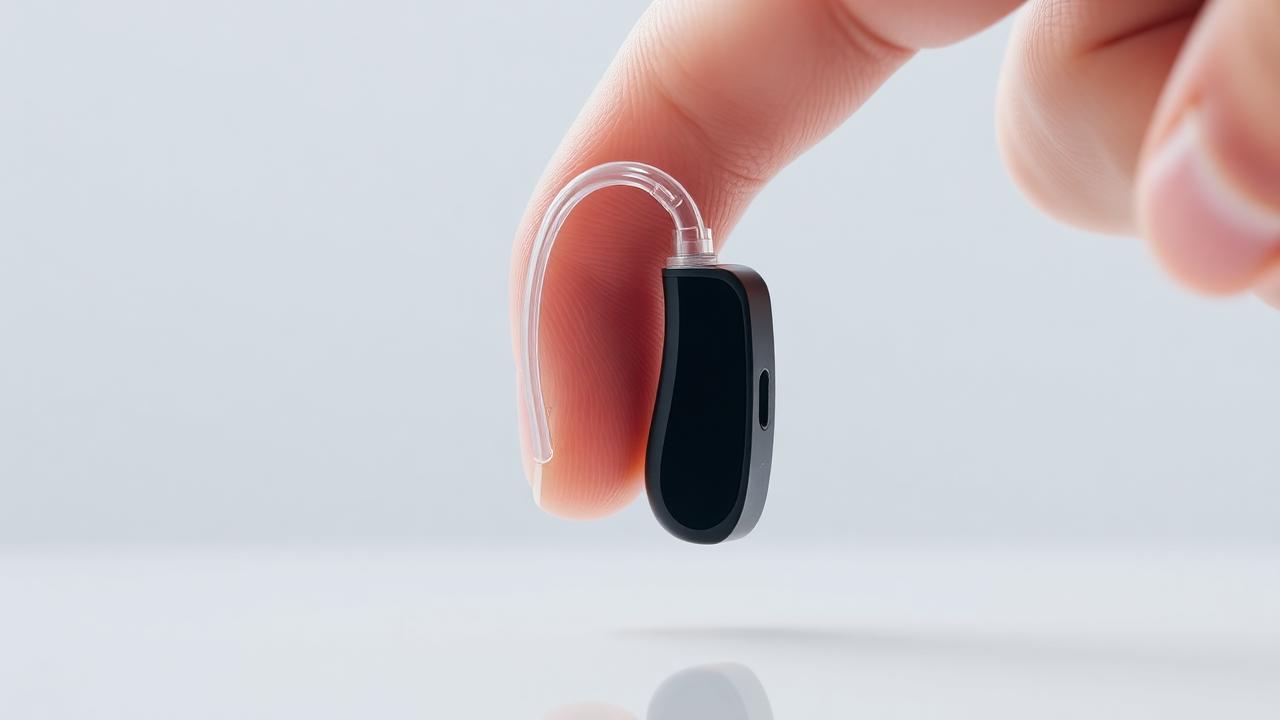
If a hearing test shows loss, hearing aids are usually the most effective single intervention. They work in two ways. They restore the external sound that naturally masks tinnitus, and they reduce the brain's compensatory gain that generated the phantom sound in the first place. Many modern devices also include dedicated masking or notched-sound programmes controlled from a phone app.
This is not a quick fix in the sense of an instant result. Most people notice the difference over a few weeks rather than on day one, and the improvement tends to hold as long as the aids are worn consistently.
Step three: change the contrast, not the volume
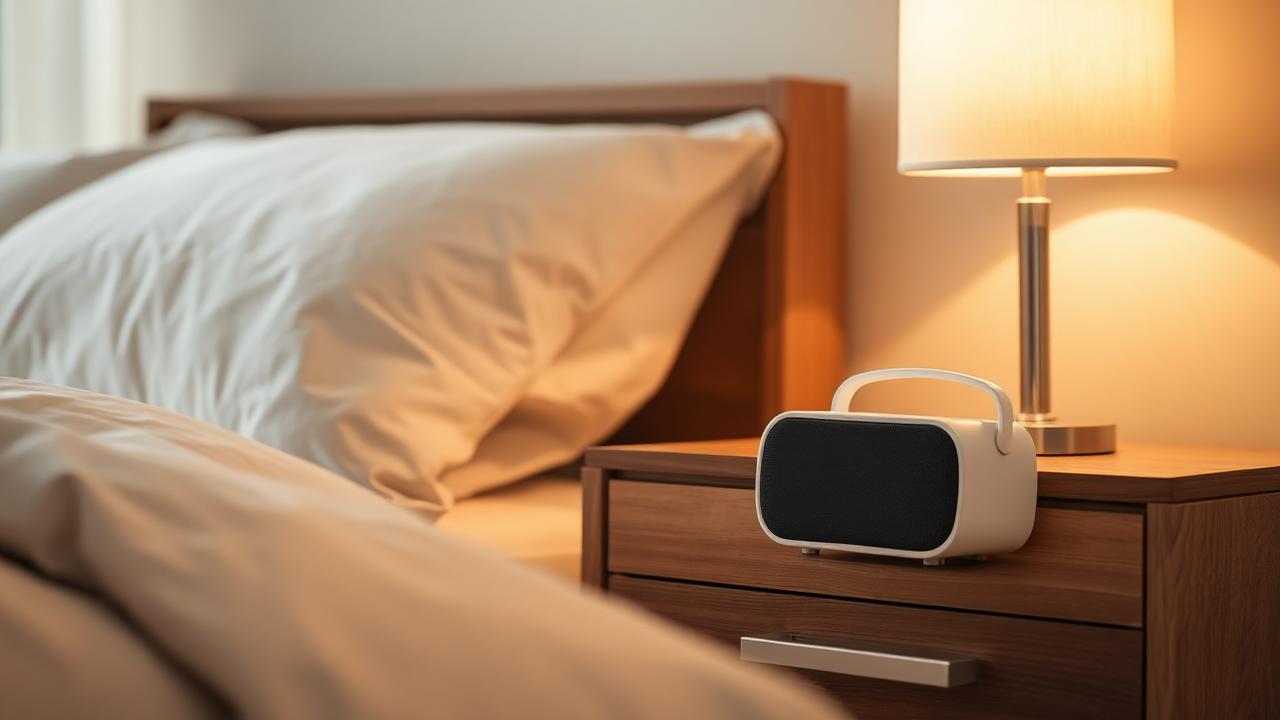
Tinnitus is loudest in silence because there is nothing to compete with it. Sound enrichment - low-level background sound that sits just below the tinnitus - narrows that contrast and makes the tinnitus less salient. It should never be loud enough to mask it completely, because full masking prevents the habituation you actually want. Our guide to sound therapy for tinnitus covers how to set the level correctly.
- • A fan, open window or radio on very low volume works as well as a dedicated device for many people.
- • Nature sounds and pink noise are usually better tolerated than pure white noise.
- • Avoid earbuds overnight - a pillow speaker or bedside source is safer for the canal.
- • Consistency matters more than the specific sound you choose.
Step four: retrain the response
For persistent, intrusive tinnitus, tinnitus retraining therapy combines directive counselling with sound enrichment over 12 to 24 months. The goal is habituation: the brain reclassifies the tinnitus as unimportant and stops routing it to conscious attention, in the same way you stop hearing a fridge hum. Cognitive behavioural therapy works on a parallel track, targeting the distress and sleep disruption rather than the sound itself, and has the strongest evidence base of any tinnitus intervention for quality of life.
What does not work
Supplements marketed for tinnitus - ginkgo biloba, zinc, magnesium, high-dose vitamin B - have repeatedly failed to outperform placebo in controlled trials. Ear candling does nothing useful and carries a burn and occlusion risk. "Tinnitus cure" apps promising results in 30 seconds are selling temporary distraction. Cotton buds actively make things worse if wax is involved, by compacting it against the eardrum.
Get urgent medical advice if tinnitus starts suddenly in one ear, pulses in time with your heartbeat, follows a head injury, or comes with sudden hearing loss, dizziness or facial weakness. Sudden one-sided hearing loss is treated as an emergency and needs same-day assessment.
A realistic timeline
- Week 1: get assessed. Rule out wax, infection and hearing loss with a full audiogram.
- Weeks 2-6: start sound enrichment at night and address sleep and caffeine. Fit hearing aids if indicated.
- Months 2-6: expect the tinnitus to become less noticeable rather than quieter. Track intrusiveness, not volume.
- Months 6-24: for persistent distress, complete a structured TRT programme or CBT course.
The people who do best are the ones who start with a proper diagnosis rather than a product. If you have had ringing for more than a few weeks, book a tinnitus assessment and find out which of the options above actually applies to you.
Frequently asked questions
Clinical References & Sources
- NICE CKS (2024). Tinnitus: clinical knowledge summary. cks.nice.org.uk
- NHS (2023). Tinnitus. nhs.uk
- Tinnitus UK (2024). About tinnitus. tinnitus.org.uk
- British Tinnitus Association / Tinnitus UK. Treatments and therapies. tinnitus.org.uk
Reviewed 27 July 2026. Next scheduled review: September 2026.