
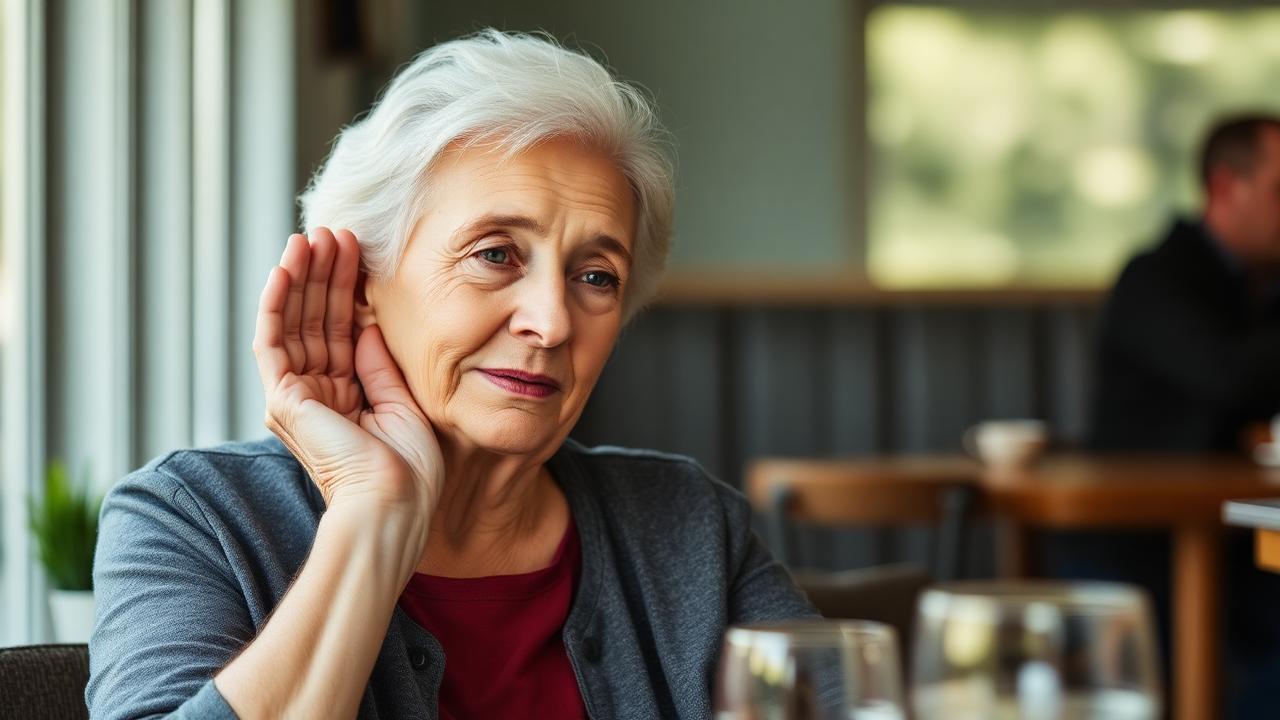
Tinnitus symptoms include high-pitched ringing, hissing or static, low humming, roaring, buzzing and rhythmic clicking, in one ear or both. The character of the sound is a genuine diagnostic clue: high-pitched ringing usually accompanies high-frequency hearing loss, low roaring points towards middle ear or Meniere-type problems, and rhythmic sounds suggest a muscular or vascular origin. Pitch and loudness matching during a tinnitus assessment turns that impression into a measurement.
What each sound tends to mean
| Sound | Commonly associated with | How common |
|---|---|---|
| High-pitched ringing | Noise-induced or age-related high-frequency hearing loss | Very common |
| Hissing or static | Hearing loss, noise exposure, medication effects | Very common |
| Low humming or roaring | Wax occlusion, Meniere's disease, otosclerosis | Less common |
| Buzzing | Middle ear problems, muscular tension, jaw dysfunction | Less common |
| Pulsing or whooshing | Blood flow near the ear, raised blood pressure | Uncommon - needs medical review |
| Rhythmic clicking | Middle ear muscle spasm (palatal myoclonus) | Rare |
Tinnitus sound types and their typical clinical associations.

One ear or both?
Bilateral tinnitus - both ears, roughly symmetrical - is the usual pattern and normally reflects a symmetrical cause such as age-related hearing loss or noise exposure. Unilateral tinnitus carries more weight clinically. It can be entirely benign, but it can also indicate asymmetric hearing loss, and asymmetry is the finding that prompts further investigation. That is why an audiogram tests each ear independently rather than giving one overall result.
Loudness is not the thing that matters
Patients often describe tinnitus in terms of volume, but measured loudness correlates poorly with distress. In clinic, tinnitus matched at only 5 to 10 decibels above threshold - objectively very quiet - can be completely disabling, while someone with a much louder match may barely register it. What predicts impact is intrusiveness: how often it captures attention and how much emotional weight it carries.
This is why assessment includes a validated questionnaire such as the Tinnitus Handicap Inventory. It measures the thing that actually needs to change, and it gives a baseline to compare against after a few months of management.
Symptoms that travel with tinnitus
- • Muffled hearing or a blocked sensation, which points towards wax or middle ear fluid.
- • Difficulty following conversation in background noise, a classic marker of high-frequency hearing loss.
- • Sound sensitivity (hyperacusis), where ordinary sounds feel uncomfortably loud.
- • Disturbed sleep, particularly difficulty getting to sleep rather than staying asleep.
- • Dizziness or vertigo, which changes the differential significantly and should be mentioned at booking.
How the sound is measured
Pitch matching presents tones at different frequencies until you identify the one closest to your tinnitus. Loudness matching then finds the level at which that tone matches its perceived volume. A minimum masking level test establishes how much external sound is needed to cover it. Together these three numbers guide the settings for sound therapy for tinnitus and for any tinnitus programme built into hearing aids.
Get urgent medical advice if tinnitus starts suddenly in one ear, pulses in time with your heartbeat, follows a head injury, or comes with sudden hearing loss, dizziness or facial weakness. Sudden one-sided hearing loss is treated as an emergency and needs same-day assessment.
When symptoms change
Stable tinnitus that has not altered in years is reassuring. A change in character - new pulsing, a shift to one side, sudden increase in loudness, or new dizziness - is worth reporting. Changes usually have mundane explanations such as new wax or a chest infection, but they should be checked rather than assumed.
If you can describe your sound accurately, you have already done a useful part of the diagnostic work. Bring that description to your appointment.
Frequently asked questions
Clinical References & Sources
- NICE CKS (2024). Tinnitus: clinical knowledge summary. cks.nice.org.uk
- NHS (2023). Tinnitus. nhs.uk
- Tinnitus UK (2024). About tinnitus. tinnitus.org.uk
- British Society of Audiology. Recommended procedure: tinnitus assessment. thebsa.org.uk
Reviewed 27 July 2026. Next scheduled review: September 2026.