

Tinnitus and hearing loss are closely linked: the large majority of people with persistent tinnitus have some degree of measurable hearing loss, and for many the tinnitus is the first thing they notice. The connection is neural gain - when input at certain frequencies drops, the auditory system turns up its own sensitivity and the resulting activity is perceived as sound. This is why every proper tinnitus assessment includes a full diagnostic hearing assessment rather than a quick screen.
Why the tinnitus is noticed before the hearing loss
High-frequency hearing loss is sneaky. It does not make things quieter so much as less clear, so people report that others mumble or that conversation in a pub is hard work, rather than that they are going deaf. Tinnitus, by contrast, is impossible to ignore in a quiet room. So the symptom that prompts the appointment is usually the ringing, and the audiogram then reveals the loss that was already there.
| Hearing pattern | Typical tinnitus | Usual management |
|---|---|---|
| High-frequency sloping loss | High-pitched ring or hiss, both ears | Hearing aids plus sound therapy |
| Noise-notch at 4kHz | High-pitched ring, often after exposure | Hearing protection, aids if loss progresses |
| Conductive loss (wax, fluid) | Low hum, muffled hearing | Treat the blockage |
| Asymmetric loss | One-sided tinnitus | Medical review before management |
| Normal audiogram | Any type | Sound therapy, TRT, CBT |

Tinnitus with a normal audiogram
A minority of people have tinnitus with hearing thresholds that test as normal. This does not mean nothing is wrong. Standard audiometry only tests up to 8kHz and measures thresholds rather than the fidelity of the signal, so hidden synaptic damage can exist below the resolution of the test. Management shifts towards habituation - sound enrichment and retraining - rather than amplification.
What the audiogram actually changes
- It determines whether hearing aids are appropriate, which is the biggest single fork in the management path.
- It identifies asymmetry, which triggers medical review.
- It distinguishes conductive from sensorineural loss, separating wax and fluid problems from cochlear ones.
- It gives a baseline so any future change can be measured rather than guessed at.
- It informs the frequency settings for any sound therapy or notched programme.
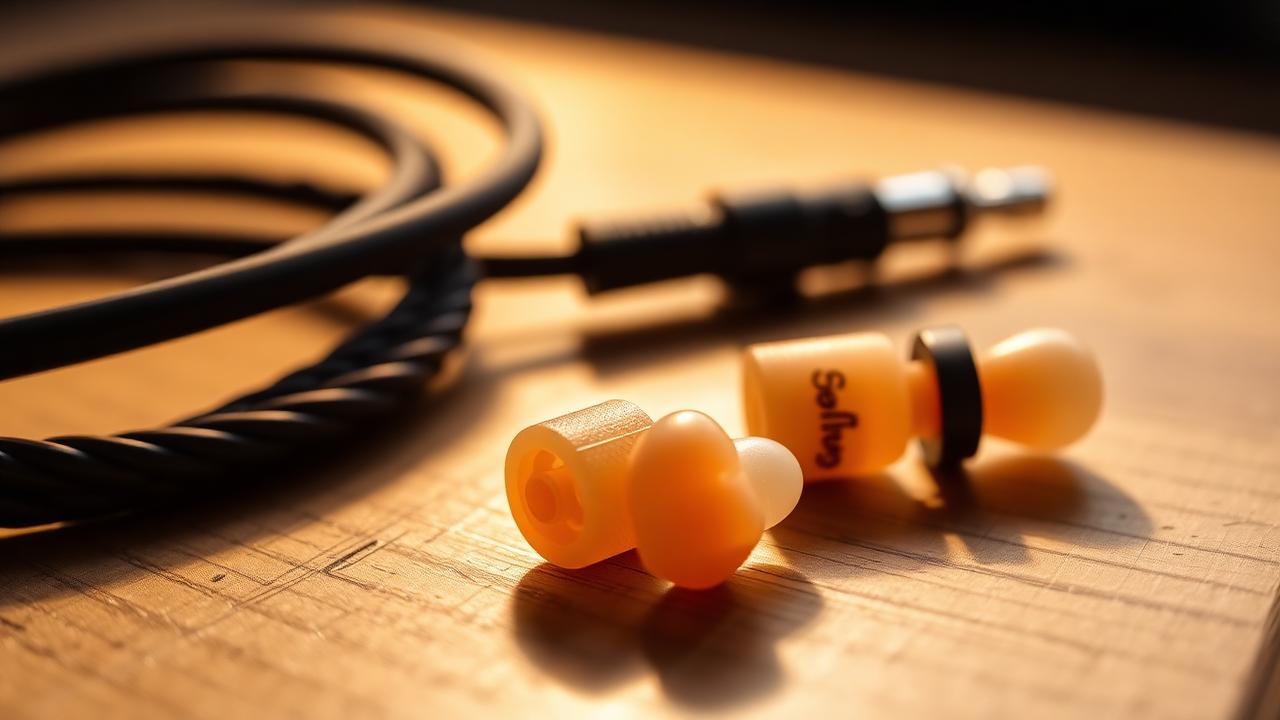
Protecting what you have
Whatever the audiogram shows, the priority is preventing further loss. Noise damage is cumulative and permanent, and each increment tends to bring more tinnitus with it.
- • Custom or filtered earplugs for music, motorsport, workshops and shooting.
- • Headphone volume at or below 60 per cent, with breaks.
- • Annual hearing checks once tinnitus is established, so change is caught early.
- • Prompt treatment of ear infections and prompt wax removal when the canal occludes.
Get urgent medical advice if tinnitus starts suddenly in one ear, pulses in time with your heartbeat, follows a head injury, or comes with sudden hearing loss, dizziness or facial weakness. Sudden one-sided hearing loss is treated as an emergency and needs same-day assessment.
Where to start
If you have tinnitus and have never had your hearing formally tested, that is the gap to close first. Everything else - whether to consider hearing aids, whether sound therapy is the right route, whether anything needs medical referral - depends on what the audiogram shows. Book a tinnitus assessment and you get both in one appointment, with a written plan at the end of it.
Frequently asked questions
Clinical References & Sources
- NICE CKS (2024). Tinnitus: clinical knowledge summary. cks.nice.org.uk
- NHS (2023). Tinnitus. nhs.uk
- Tinnitus UK (2024). About tinnitus. tinnitus.org.uk
- RNID (2025). Facts and figures about hearing loss. rnid.org.uk
Reviewed 27 July 2026. Next scheduled review: September 2026.