

Tinnitus feels worse at night because the room is quiet, there is nothing to distract you and your attention has nowhere else to go. The sound itself has not changed. The fix is therefore not to make the tinnitus quieter but to reduce the contrast around it: add low-level background sound, keep a consistent sleep routine, and stop monitoring whether it is still there. If sleep has been disrupted for weeks, a tinnitus assessment in Aylesbury will identify whether an underlying cause is driving it.
Why the bedroom is the worst place for tinnitus
Three things converge at bedtime. Daytime environmental sound, which naturally masks tinnitus, disappears. Cognitive load drops, freeing attention. And fatigue lowers your tolerance for anything intrusive. Add the frustration of watching the clock and you have a feedback loop: the tinnitus keeps you awake, the tiredness makes the tinnitus more intrusive, and the anxiety about sleeping makes both worse.
| Factor | Effect on tinnitus | What to change |
|---|---|---|
| Silent bedroom | Maximum contrast, maximum awareness | Add sound enrichment below tinnitus level |
| Clock watching | Raises arousal, delays sleep onset | Turn the clock away |
| Late caffeine or alcohol | Fragments sleep, worsens next-day intrusiveness | Cut off caffeine by early afternoon |
| Screens in bed | Delays sleep onset, extends exposure to quiet | Stop 45 minutes before bed |
| Full masking with loud noise | Prevents habituation | Keep the sound just below the tinnitus |
Setting up sound enrichment correctly
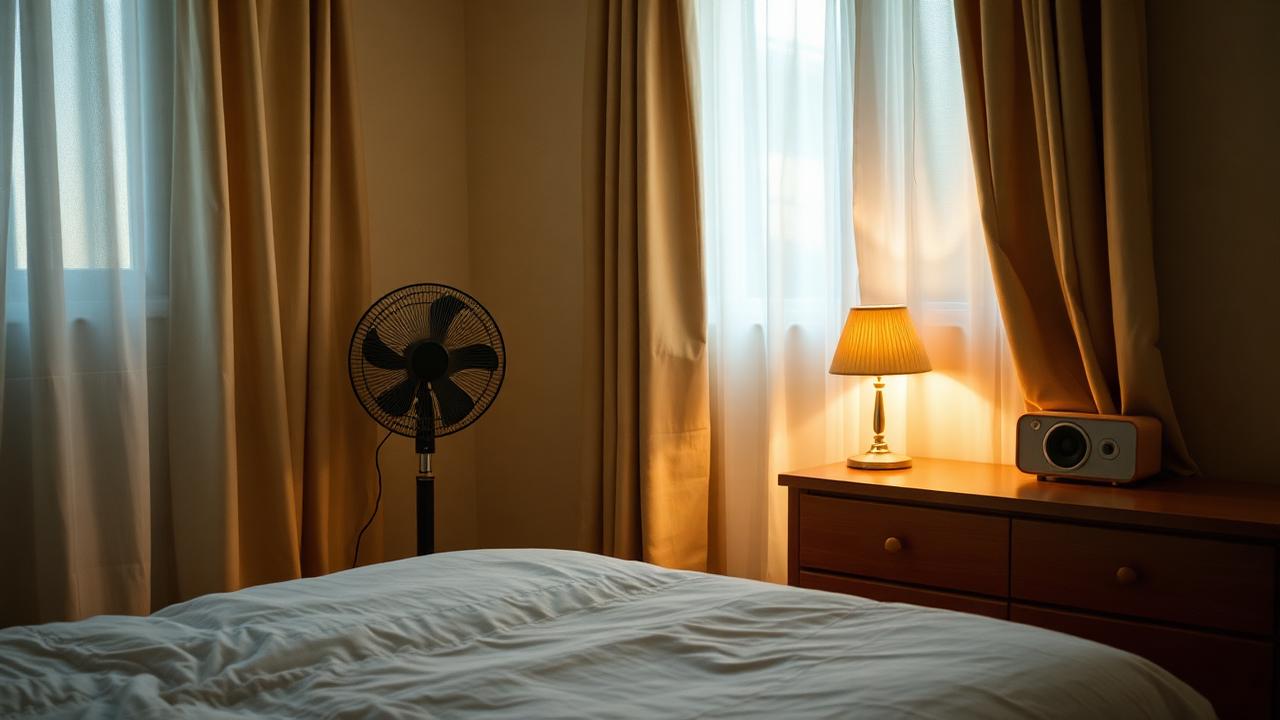
The single most useful intervention is background sound set at the right level. It should be audible but not attention-grabbing, sitting just below the tinnitus so the two blend rather than one covering the other. Full masking feels better in the moment but works against habituation, which is the actual long-term goal. Our page on sound therapy for tinnitus explains the mixing point in more detail.
- • Pink noise, rain, or a fan generally works better than sharp white noise.
- • Use a bedside speaker or pillow speaker rather than earbuds, which occlude the canal and can compact wax.
- • Set a long timer or leave it running - waking at 3am into silence undoes the benefit.
- • Give any new sound a fortnight before deciding it does not work.
The sleep routine that supports it
- Fixed wake time, seven days a week. This anchors the whole system more effectively than a fixed bedtime.
- Wind-down period of 30 to 45 minutes without screens or work.
- Get out of bed if awake for more than 20 minutes, sit somewhere dim with the sound source on, return when sleepy.
- No daytime naps longer than 20 minutes while you are rebuilding sleep pressure.
- Keep the bedroom for sleep, so the association with lying awake weakens.
This is standard CBT for insomnia, and it is effective for tinnitus-related sleep problems specifically because the barrier is arousal and attention rather than the sound.
What to avoid
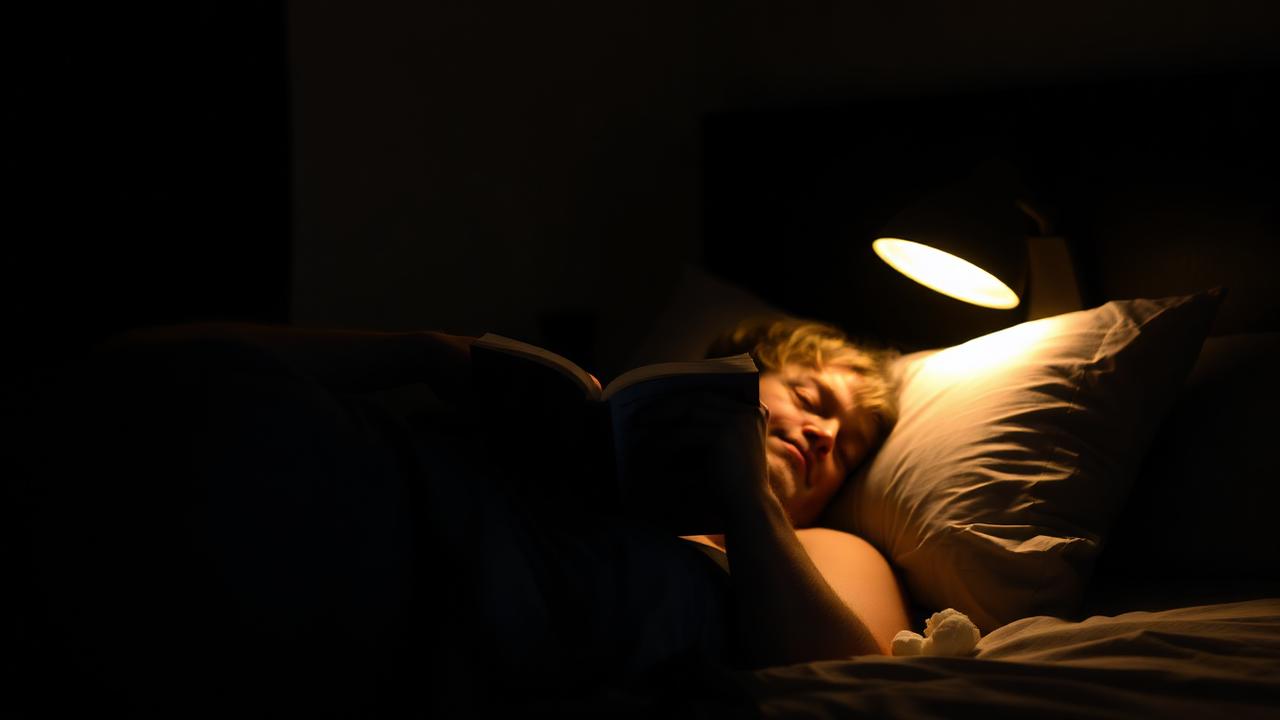
Avoid sleeping with earbuds in every night, avoid alcohol as a sleep aid - it fragments the second half of the night and reliably worsens next-day tinnitus - and avoid testing your tinnitus. Deliberately listening for it in the quiet trains exactly the attention pattern you are trying to unlearn.
Get urgent medical advice if tinnitus starts suddenly in one ear, pulses in time with your heartbeat, follows a head injury, or comes with sudden hearing loss, dizziness or facial weakness. Sudden one-sided hearing loss is treated as an emergency and needs same-day assessment.
When sleep problems need clinical input
If tinnitus has cost you sleep for more than a month, if you are relying on alcohol or sedatives, or if low mood is developing, that is the point to get assessed rather than continue experimenting. Management may include hearing aids with a night programme, a structured retraining programme, or referral for cognitive behavioural therapy, which has the best evidence of anything for tinnitus-related distress.
Most people sleep normally again. It usually takes a few weeks of consistent routine rather than a single change on one night.
Frequently asked questions
Clinical References & Sources
- NICE CKS (2024). Tinnitus: clinical knowledge summary. cks.nice.org.uk
- NHS (2023). Tinnitus. nhs.uk
- Tinnitus UK (2024). About tinnitus. tinnitus.org.uk
- NHS. Insomnia: self-help and treatment. nhs.uk
Reviewed 27 July 2026. Next scheduled review: September 2026.