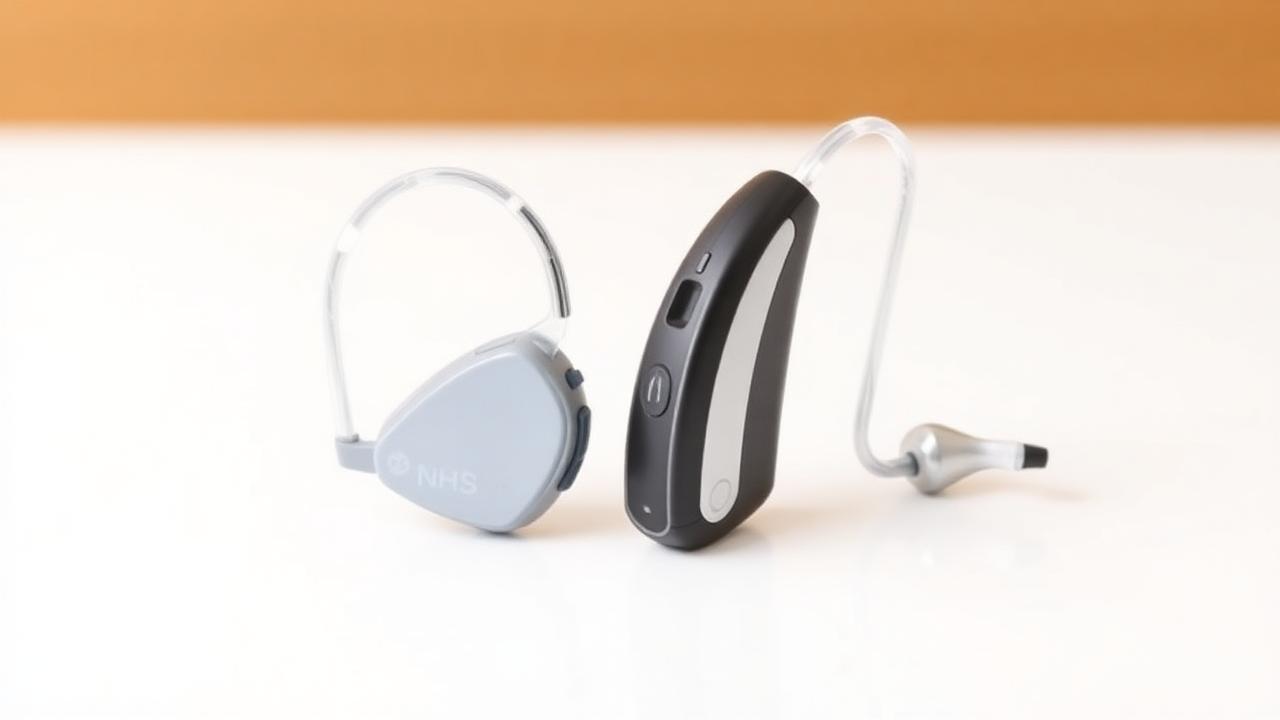
Yes — NHS hearing aids are genuinely good. They are digital, programmable, made by the same manufacturers that supply private clinics, and typically sit at mid-range technology level. They are provided free on loan with free batteries and repairs. The real differences from private care are choice of style, waiting times, appointment length and how quickly you can be seen for adjustments, which is the trade-off our private hearing aid clinic in Aylesbury exists to solve rather than a difference in whether the devices work.
What the NHS provides
- • Digital behind-the-ear hearing aids, usually receiver-in-canal or thin-tube styles.
- • Programming to your audiogram by a qualified audiologist.
- • Free batteries for as long as you use the devices.
- • Free repairs and replacement of faulty devices.
- • Follow-up appointments, though often with a wait.
- • The devices remain NHS property, on indefinite loan to you.
Where the two routes genuinely differ
| NHS | Private | |
|---|---|---|
| Cost | Free on loan | £1,195 - £2,495 per pair |
| Wait for assessment | Referral plus typically weeks to months | Usually within days |
| Technology level | Mid-range, from an approved list | Essential to premium, four brands |
| Styles available | Mainly behind-the-ear | BTE, RIC, ITE, CIC, custom |
| Real ear measurement | Standard in most departments | Standard |
| Appointment length | Shorter, higher throughput | Longer, unhurried |
| Aftercare access | Booked appointments, drop-in in some areas | Lifetime, typically same-week |
| Ownership | NHS property, returned if unused | Yours outright |
If cost is the deciding factor, take the NHS route. Free, properly fitted mid-range hearing aids beat no hearing aids by a very wide margin.
The honest case for the NHS
For a straightforward age-related hearing loss where you spend most of your time at home, with family, or in quiet settings, NHS hearing aids will do nearly everything private ones would, at no cost. The clinical standard is high, the audiologists are well trained, and NICE guidance applies equally. Anyone telling you NHS aids are obsolete analogue boxes is describing a situation that ended two decades ago.
The honest case for private
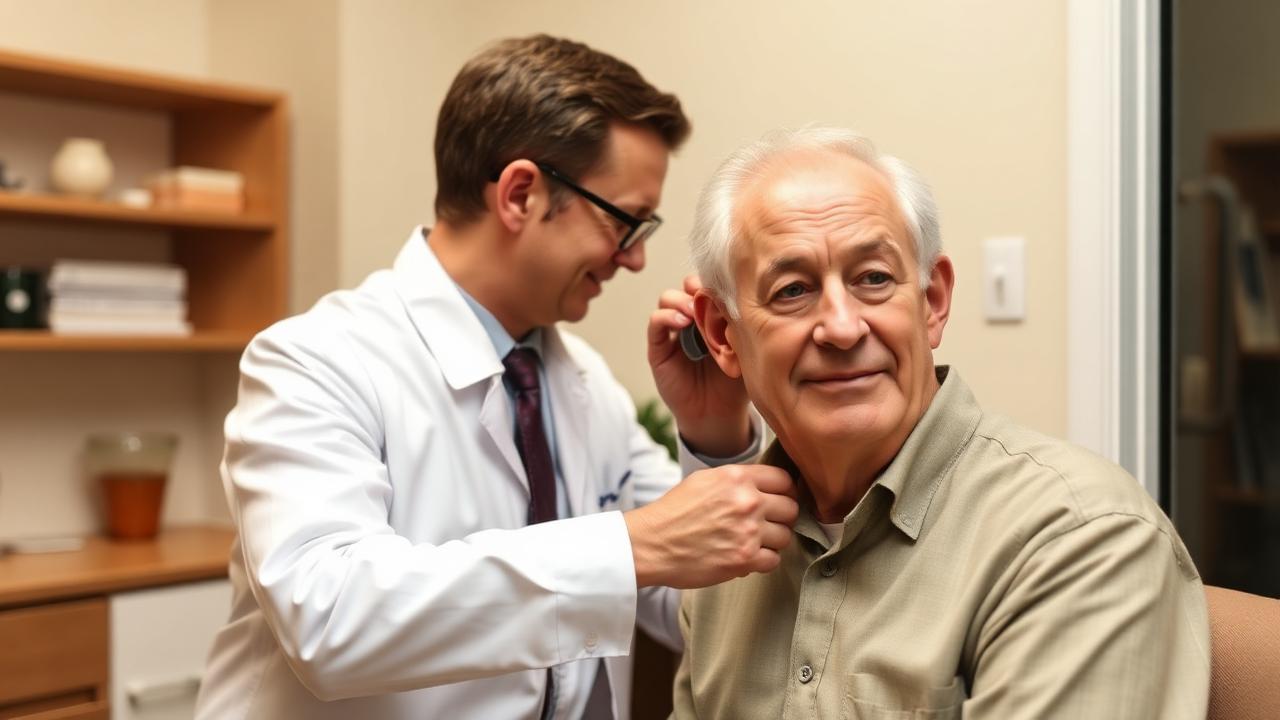
Private care buys three things: speed, choice and time. You are seen quickly, without a GP referral. You can choose a discreet in-canal style, or premium speech-in-noise processing that is not on the NHS list. And appointments are unhurried, which matters more than people expect during the six to eight weeks when a new user is adapting and needs small adjustments. If you work in meetings, eat out regularly, or found NHS devices left you struggling specifically in noise, that is where the difference shows.
Can you use both?
Yes, and plenty of people do. Some keep NHS devices as a spare pair after buying privately, which is sensible — a backup matters when your hearing aids are how you work. You can also be assessed privately for speed and clarity of information and still choose the NHS route afterwards; a diagnostic hearing test stands on its own regardless of what you decide about devices.
How to get NHS hearing aids
- See your GP and describe the difficulty, ideally with examples — television volume, group conversation, missed doorbells.
- Ask for a referral to the audiology department or your local any-qualified-provider service.
- Attend the assessment, which includes an audiogram and case history.
- Attend the fitting, where devices are programmed and verified.
- Book the follow-up. This appointment matters more than most people realise; do not skip it.
Frequently asked questions
Clinical References & Sources
- NHS (2023). Hearing aids and implants. nhs.uk
- NICE (2018). Hearing loss in adults: assessment and management. NG98. nice.org.uk
- RNID. NHS hearing aids. rnid.org.uk
Reviewed 27 July 2026. Next scheduled review: September 2026.