
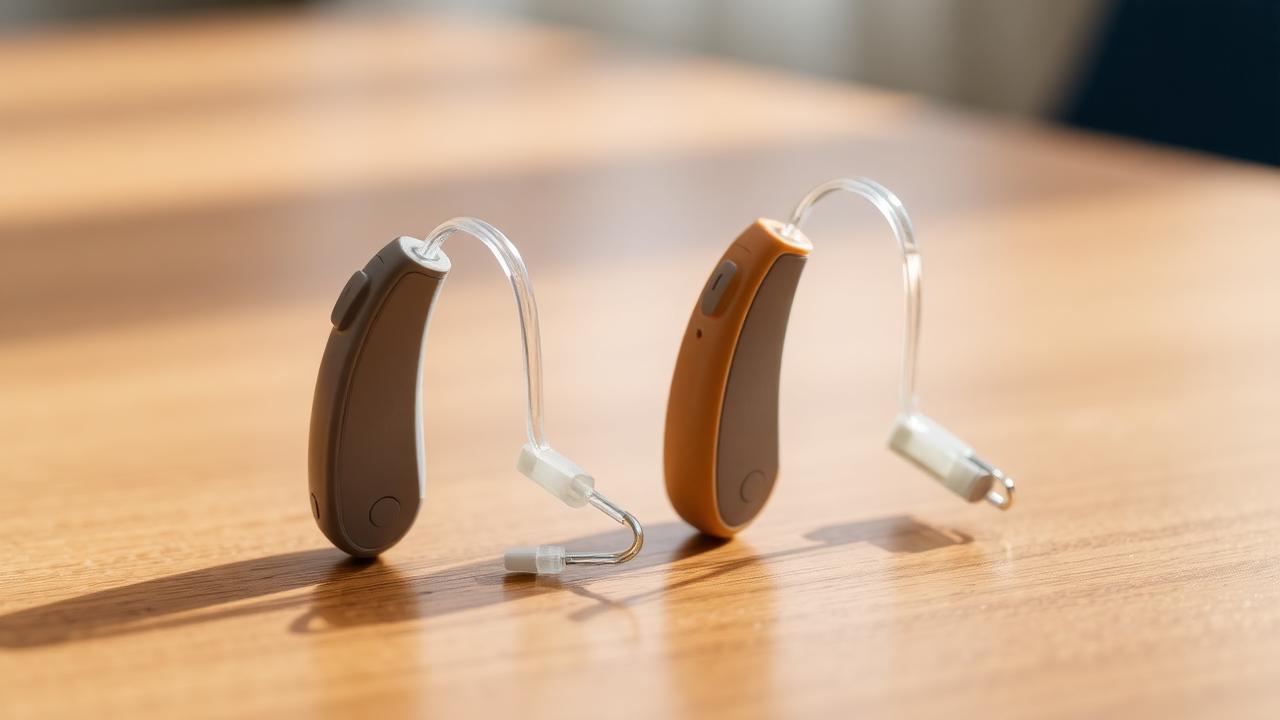
Most modern hearing aids last four to six years of daily wear. Some reach eight, a few fail at three. Age is rarely what ends a device: it is moisture damage, wax ingress, discontinued spare parts, or a hearing loss that has progressed beyond what the device can comfortably amplify. If your aids are over five years old and you are straining again, it is usually worth a review rather than another repair, and a proper hearing aid fitting in Aylesbury will tell you which of the two you are dealing with.
This guide sets out the realistic lifespan by device type, the five signs it is genuinely time to replace, and the maintenance habits that add a year or two at no cost.
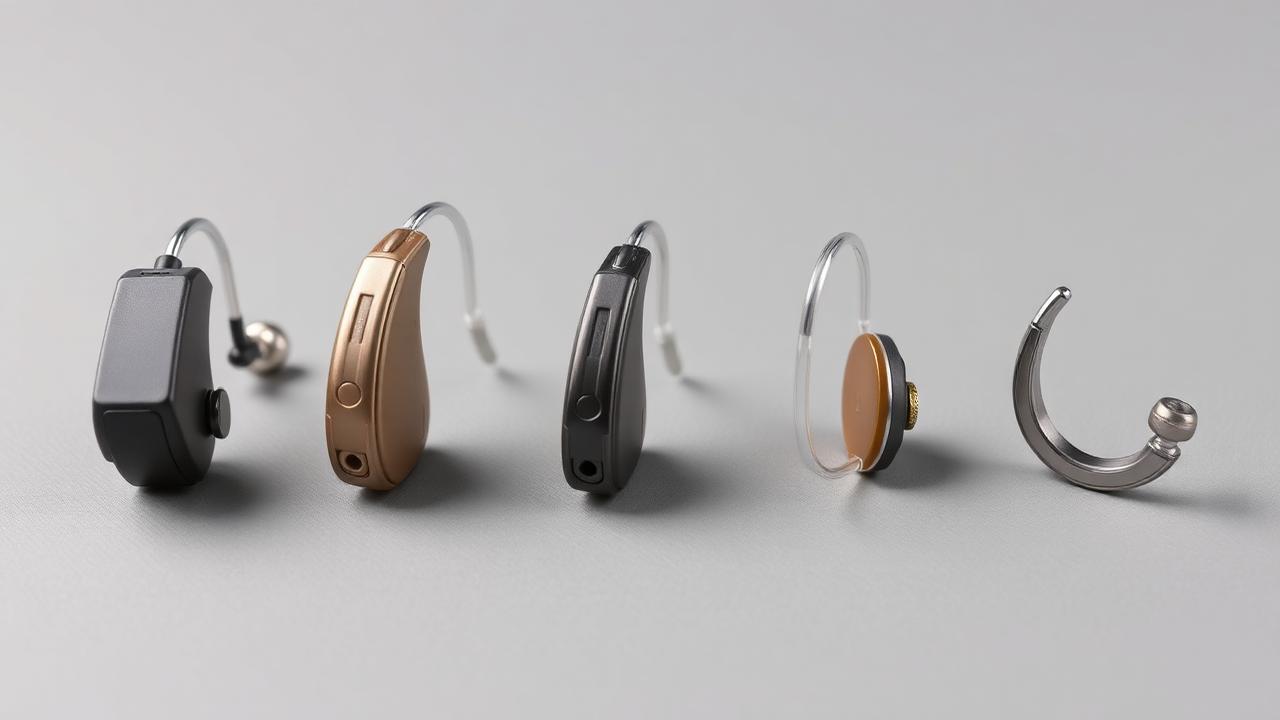
Typical lifespan by style
| Style | Typical lifespan | Main limiting factor |
|---|---|---|
| Behind-the-ear (BTE) | 5-7 years | Tubing and case wear, generally the most durable |
| Receiver-in-canal (RIC) | 4-6 years | Receiver wires sit in the canal and meet moisture and wax |
| In-the-ear (ITE) | 4-5 years | Electronics sit in the canal, so wax exposure is highest |
| Completely-in-canal (CIC) | 3-5 years | Smallest components, most exposed position |
| Rechargeable battery cell | 4-5 years | Cell capacity falls; usually replaceable at service |
Five signs it is time to replace rather than repair
- Repairs are becoming frequent, and the cost of two repairs approaches a meaningful share of a new device.
- Your hearing has changed enough that the aid cannot deliver the gain your audiogram now calls for without feedback.
- The manufacturer no longer supplies parts, receivers or firmware updates for your model.
- You cannot connect to the devices you actually use — modern streaming to phone and TV changes daily life more than most people expect.
- You are avoiding situations. If you have quietly stopped going to the places you used to, the technology is no longer doing its job.
Age alone is not a reason to replace. A five-year-old device that is still verified against your current audiogram and comfortable in noise is doing its job.
What actually shortens a hearing aid's life
Moisture is first by a wide margin. Sweat, humidity, rain and steam all corrode contacts, and the damage accumulates quietly over years. Wax is second: it blocks receivers, degrades microphone ports and forces repeated filter changes. Physical damage — drops onto hard floors, pets, an aid left in a coat pocket through a wash cycle — accounts for most sudden failures. Heat is the quiet fourth; a hearing aid left on a car dashboard in summer can be destroyed in an afternoon.
Getting more years out of the pair you own
- • Wipe the devices with a dry cloth every night before charging or opening the battery door.
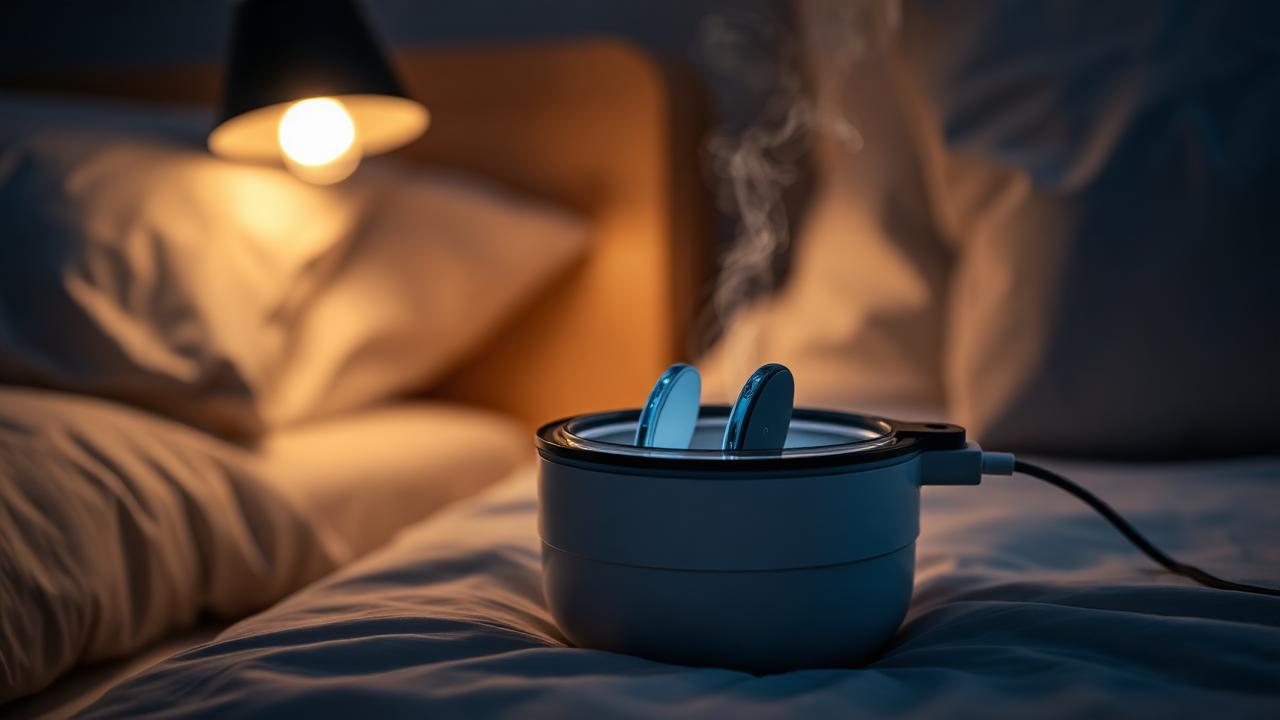
- • Use a drying pot or electric dehumidifier overnight, particularly if you sweat or exercise.
- • Change wax filters on schedule rather than waiting for the sound to fade.
- • Book an annual service. Cleaning at a clinic reaches places a home kit cannot.
- • Keep them away from heat: no dashboards, radiators, hairdryers or airing cupboards.
- • Have your hearing rechecked every two years so the programming keeps pace with your ears.
A structured routine matters more than any single product. Our page on hearing aid aftercare sets out what a service appointment covers and how often devices should be seen, and the full range and current pricing is on the hearing aid cost page if you are weighing repair against replacement.
What happens at a replacement appointment
A replacement starts with a fresh diagnostic hearing test, because there is no point programming new devices to a five-year-old audiogram. We compare what your current aids are delivering in your ears against what your hearing now needs, discuss the situations you struggle with, and demonstrate the options at the levels that fit. New devices are verified with real ear measurement at fitting, then reviewed after a few weeks once you have worn them in real life rather than in a consulting room.
Frequently asked questions
Clinical References & Sources
- NICE (2018). Hearing loss in adults: assessment and management. NG98. nice.org.uk
- RNID. Hearing aids. rnid.org.uk
- NHS (2023). Hearing aids and implants. nhs.uk
Reviewed 27 July 2026. Next scheduled review: September 2026.