
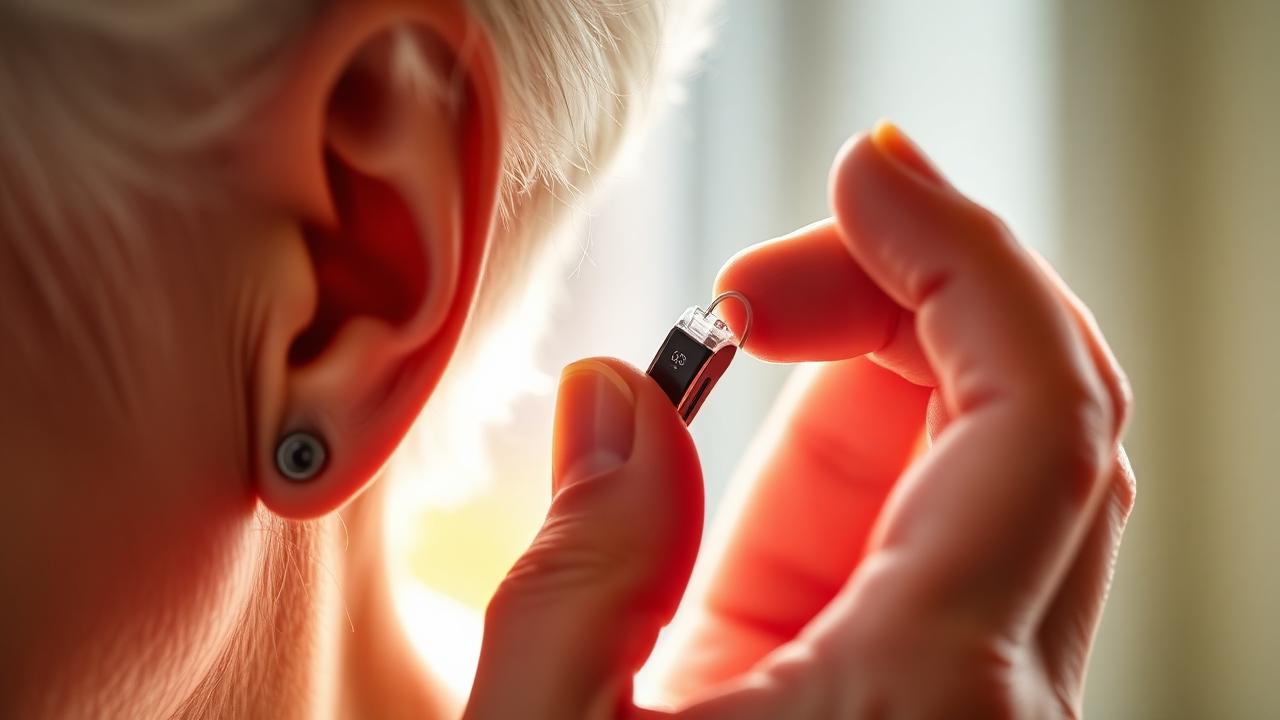
A hearing aid whistles when amplified sound escapes from your ear canal and re-enters the microphone, which then amplifies it again. That loop is called acoustic feedback. In practice it almost always comes down to one of six things: the dome or mould is not seated properly, the dome is the wrong size, there is wax in the canal, the tubing is split or hardened, the volume is set too high for the fitting, or something is pressed against your ear. A device that whistles constantly, even in your hand with the ear open, needs a hearing aid fitting appointment rather than a home fix.
Feedback is the single most common complaint we hear about hearing aids, and it is also the most fixable. Modern devices have feedback cancellation built in, which means a whistle usually signals that something physical has changed rather than that the electronics have failed. Work through the list below in order and most people find the cause in a few minutes.
The six usual causes, in the order to check them
| Cause | What you notice | Fix |
|---|---|---|
| Dome not fully inserted | Whistles as soon as it is switched on, stops when you press the ear | Reinsert, pushing gently until it seats |
| Wrong dome size | Whistles when you chew, smile or turn your head | Try the next size up, or a custom mould |
| Wax in the canal | Started recently, hearing also feels duller | Have the wax removed, then re-check |
| Split or hard tubing | Older BTE aid, whistle plus a weaker sound | Retube — a few minutes at a clinic |
| Volume too high | Whistles only at maximum, fine lower down | Reprogramming, not a volume compromise |
| Something touching the ear | Whistles with a hat, hug, phone or headrest | Normal, and temporary |
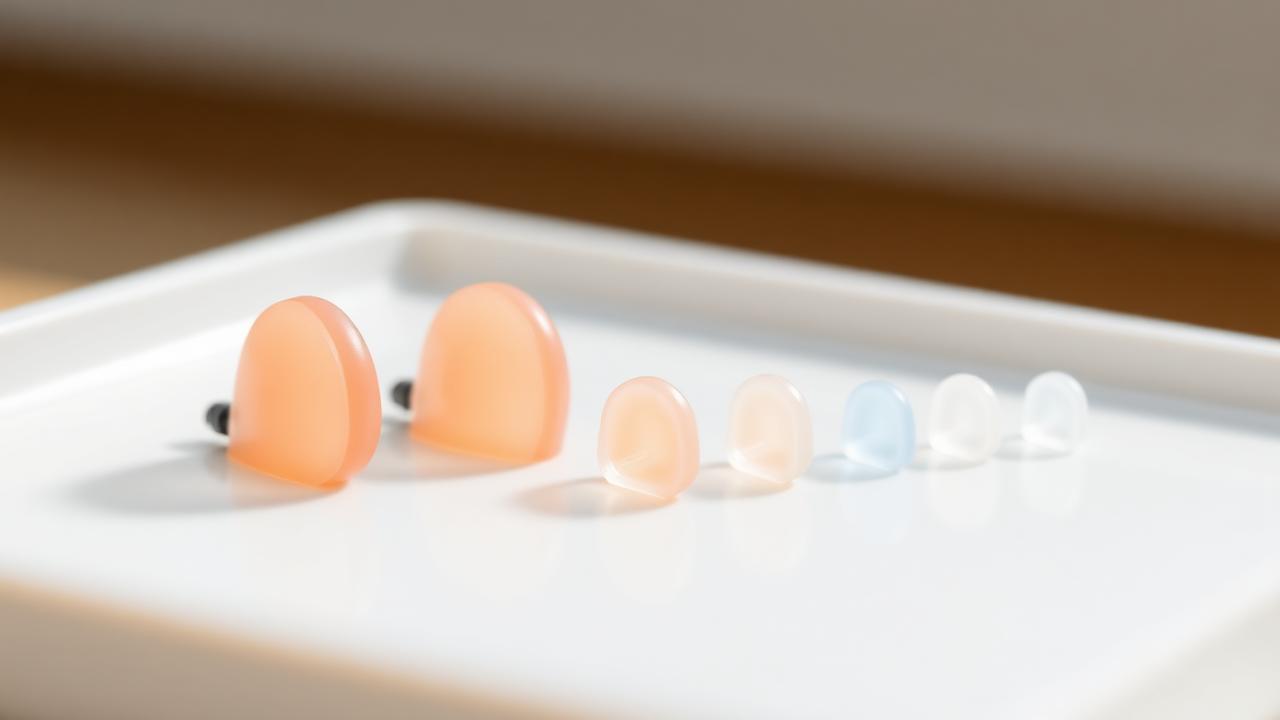
Why the seal matters more than anything else
Feedback is a leak problem. If sound cannot escape past the dome or mould, it cannot get back to the microphone. That is why the single most effective fix is a better seal, and why people whose hearing loss has progressed often start whistling: more amplification needs a tighter seal to contain it. If you are on an open dome and the aid whistles at the level you actually need, the answer is usually a closed dome or a custom mould rather than turning the volume down and putting up with hearing less.
A whistle that only happens for a second or two as you put the hearing aid in is completely normal. It should stop as soon as the device is seated.
Wax: the cause people miss
Wax reflects sound. A canal that has built up wax against the dome sends amplified sound straight back out again, and the device starts to whistle even though nothing about the fitting has changed. This is the most common reason a hearing aid that has been fine for two years suddenly starts squealing. Wearing hearing aids daily also slows the natural outward migration of wax, so build-up is more likely, not less. If the whistle arrived alongside a duller, blocked sensation, book professional ear wax removal in Aylesbury before you change anything about the device itself.
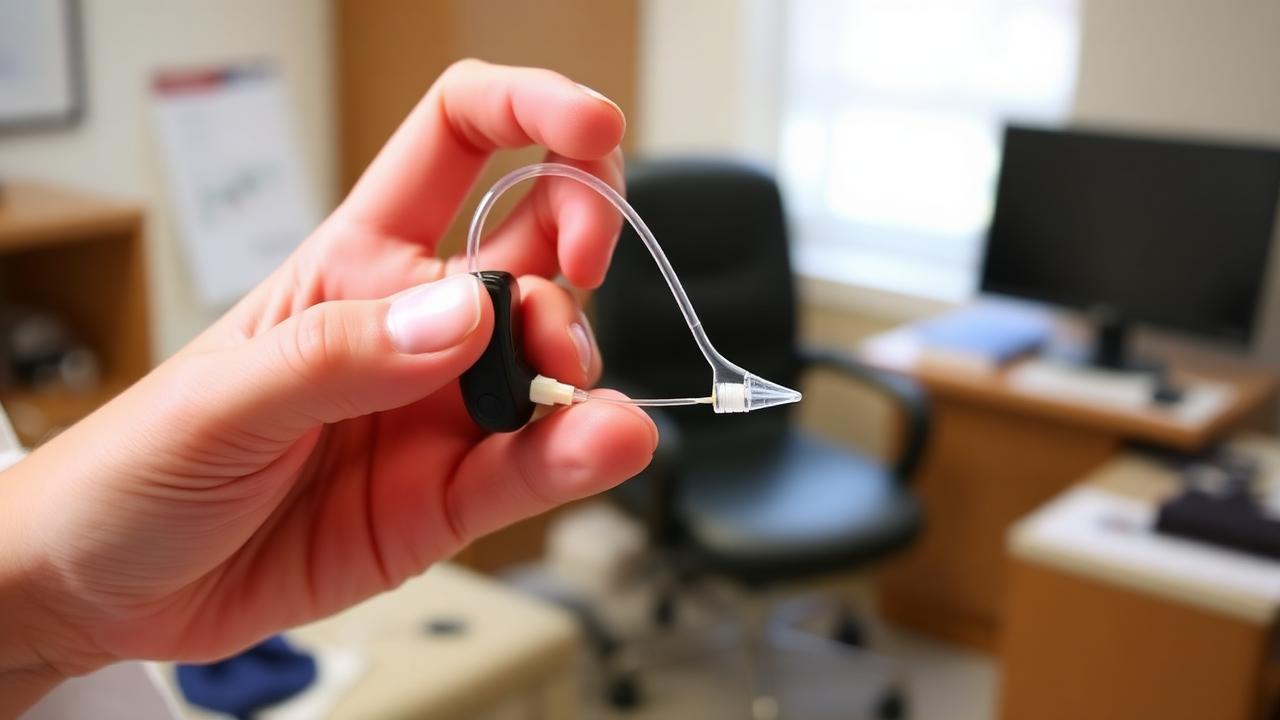
Checking the tubing on a behind-the-ear aid
- Detach the mould and hold the tubing up to the light.
- Look for cracks, cloudiness, yellowing or a stiff, brittle feel.
- Squeeze it gently — healthy tubing is soft and springs back.
- Check the join where the tube meets the hook for a loose fit.
- If anything looks wrong, book a retube. Tubing is a consumable and typically needs replacing every six to nine months.
What not to do
- • Do not permanently drop the volume to stop the whistle — you are trading your hearing for silence from the device.
- • Do not pack cotton wool or tissue around the aid to block the leak. It muffles the microphone and traps moisture.
- • Do not push the dome in harder than it comfortably goes. If it needs force, it is the wrong size.
- • Do not put drops or oil into the ear to loosen wax while a hearing aid is being worn daily without asking first.
- • Do not ignore a whistle that appears with pain or discharge — that needs looking at the same week.
When to book an appointment
Book a check if the whistle persists after reseating the device, if it started suddenly and hearing has also changed, if the aid whistles while sitting on the table with nobody wearing it, or if it has been more than a year since anyone measured how your devices are performing in your ears. A feedback test takes minutes, and if the fitting needs adjusting, real ear measurement confirms you are still getting the amplification your audiogram calls for.
Frequently asked questions
Clinical References & Sources
- NHS (2023). Hearing aids and implants. nhs.uk
- RNID. Hearing aids: getting the best from them. rnid.org.uk
- NICE (2018). Hearing loss in adults: assessment and management. NG98. nice.org.uk
Reviewed 27 July 2026. Next scheduled review: September 2026.