
Disposable hearing aid batteries last between three and fourteen days depending on the size, how long you wear the devices and how much you stream. Rechargeable hearing aids give a full day, typically sixteen to thirty hours, from an overnight charge. If your batteries are dying noticeably faster than they used to, the usual culprits are Bluetooth streaming, a colder house, or a device that needs servicing — and the audiologists at our Aylesbury hearing aid clinic can check the drain in a few minutes.
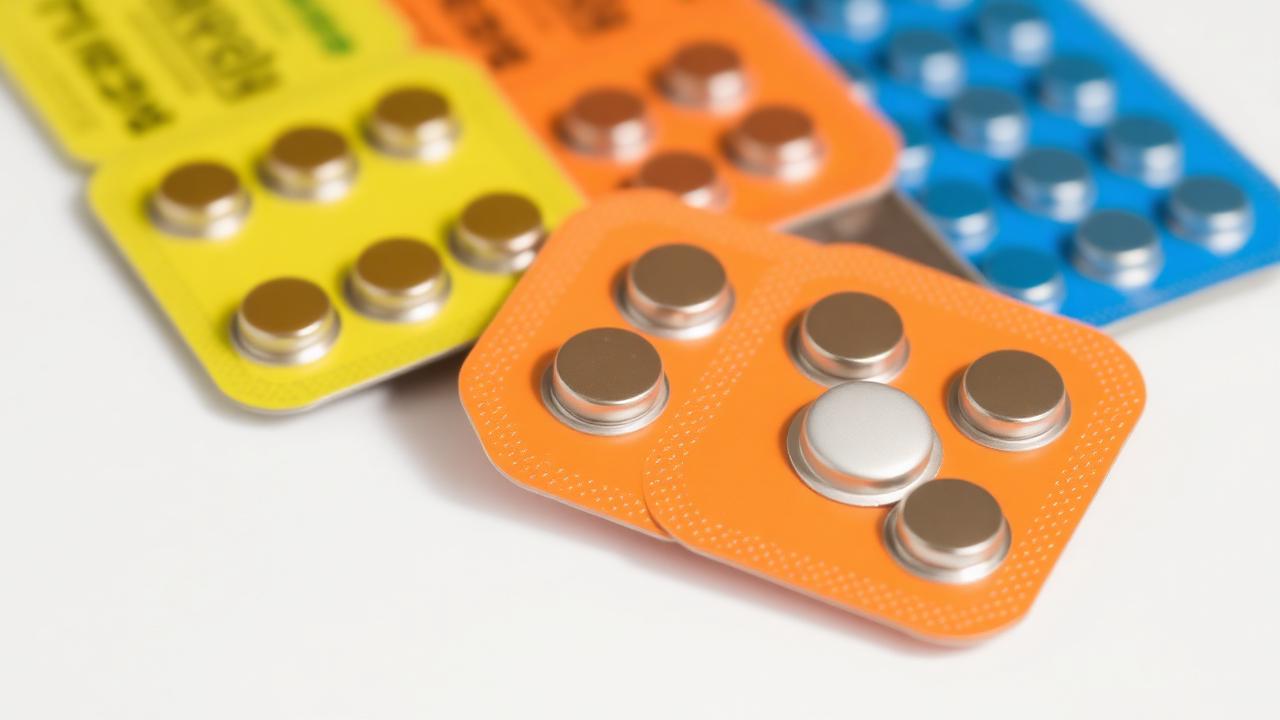
Hearing aid batteries are colour-coded by size, and the colour is standardised across every manufacturer. That is useful: you can buy any brand as long as you match the colour.
Battery life by size
| Size | Colour | Typical use | Expected life |
|---|---|---|---|
| 10 | Yellow | CIC and small in-canal devices | 3-7 days |
| 312 | Brown | RIC and small BTE devices | 3-10 days |
| 13 | Orange | BTE and larger ITE devices | 6-14 days |
| 675 | Blue | Power BTE and cochlear implants | 9-20 days |
| Rechargeable | n/a | Most current RIC devices | 16-30 hours per charge |
Those figures assume around sixteen hours of daily wear. Heavy Bluetooth streaming can cut disposable battery life roughly in half.
What drains batteries faster
- • Streaming music, calls or TV audio directly to the aids — the single biggest drain.
- • A more severe hearing loss, because more amplification needs more power.
- • Cold weather. Zinc-air chemistry slows in the cold, so winter life is shorter.
- • High altitude and very dry air, both of which affect zinc-air cells.
- • Leaving the battery door closed overnight when you are not wearing the devices.
- • Advanced features running constantly: directional microphones, noise reduction and tinnitus sound generators.
Making disposable batteries last longer
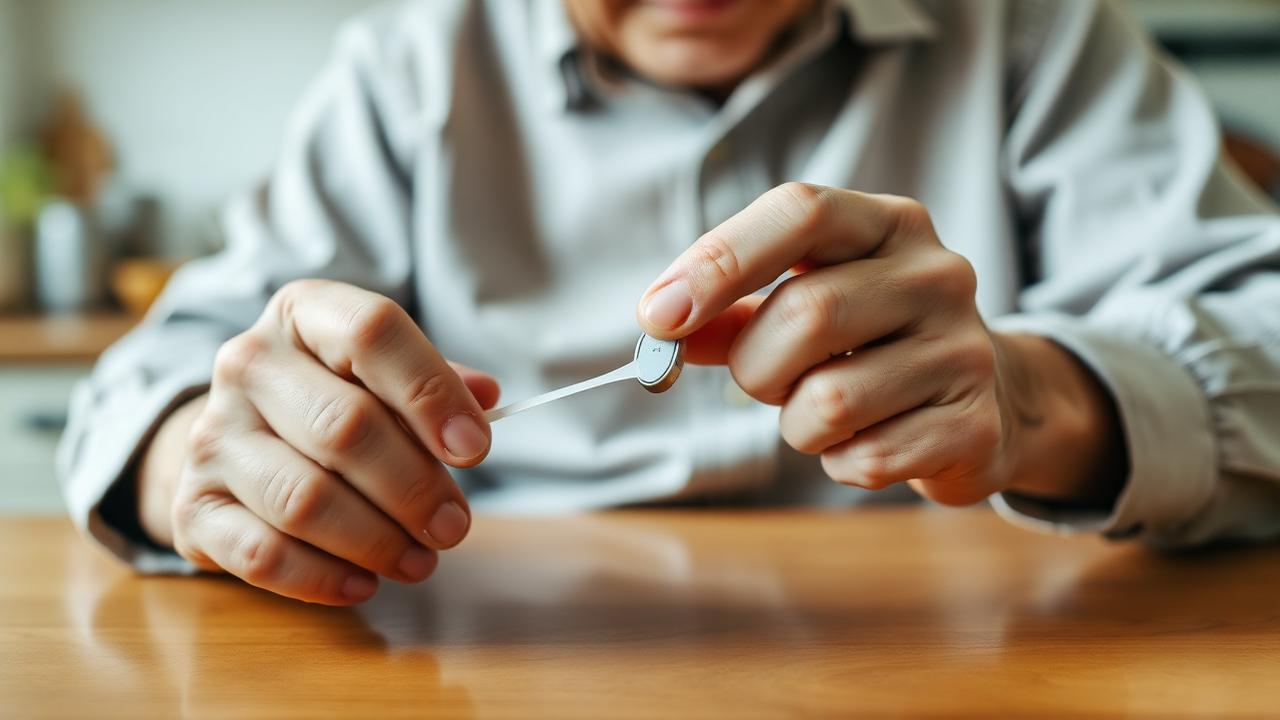
- After peeling the tab, wait sixty seconds before closing the door. Zinc-air cells need air to activate fully, and this alone can add a day.
- Open the battery door fully every night. This stops the drain and lets moisture escape.
- Store spares at room temperature, not in the fridge and not loose in a pocket with keys or coins.
- Keep tabs on until the moment of use. Once the tab is off, the cell starts discharging whether it is in a device or not.
- Buy in reasonable quantities and check the date. Zinc-air cells lose capacity in storage.
Rechargeable hearing aids: what to expect
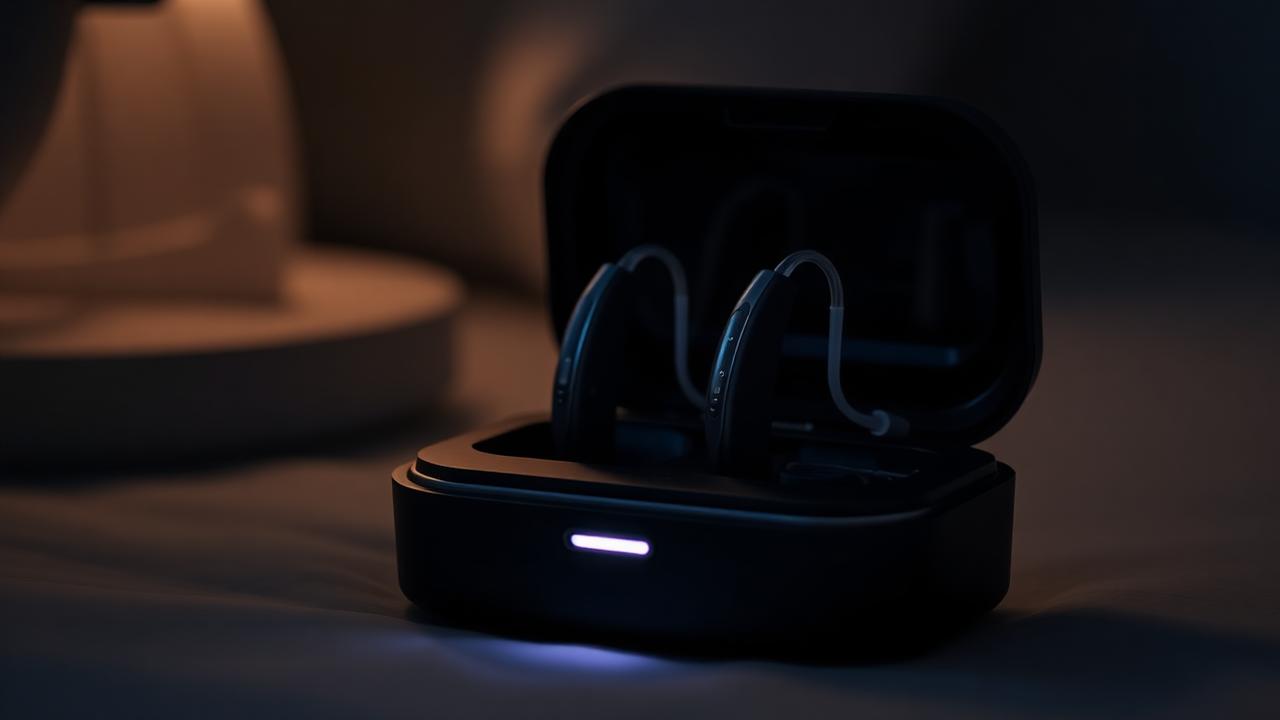
A full charge takes around three hours and gives a full day of wear, and most chargers deliver a usable few hours from a thirty-minute top-up. The lithium-ion cell itself lasts roughly four to five years before capacity drops noticeably, at which point it is usually replaced at service rather than replacing the device. Rechargeables suit anyone with reduced dexterity or eyesight — no fiddly doors, no tiny cells to drop — and they remove the swallowing risk that loose batteries pose in a house with children or pets.
Battery safety
Button cells are a genuine hazard if swallowed and can cause serious internal burns within hours. Store them out of reach of children and pets, never leave a spent cell on a side table, and treat any suspected swallowing as an emergency — go straight to A&E rather than waiting to see what happens.
If you are weighing up disposable against rechargeable before a purchase, our page comparing hearing aid styles covers how each option pairs with the different device types, and you can compare hearing aid models across all four brands we fit.
Frequently asked questions
Clinical References & Sources
- NHS (2023). Hearing aids and implants. nhs.uk
- RNID. Hearing aid batteries and care. rnid.org.uk
- NHS. Button battery safety advice. nhs.uk
Reviewed 27 July 2026. Next scheduled review: September 2026.