
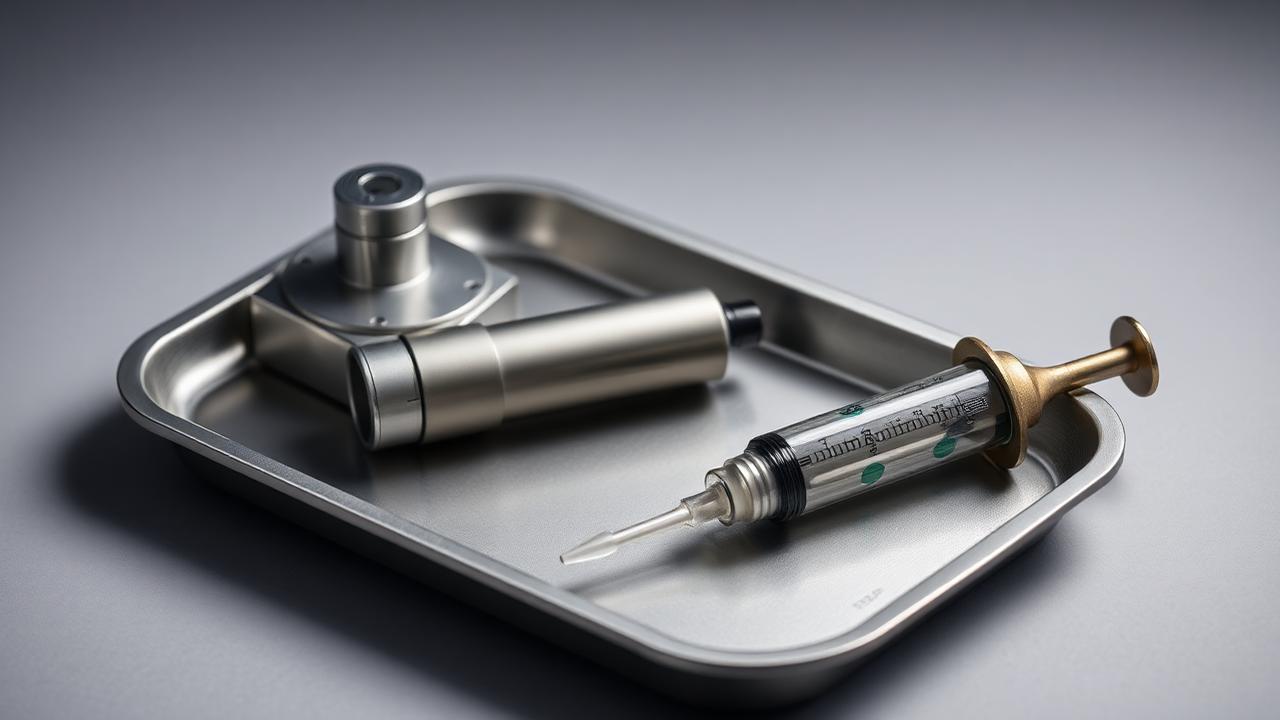
Microsuction is safer than syringing, and traditional syringing is no longer performed in the UK at all. The metal syringe was withdrawn because of the rate of perforations and infections it caused. What remains is electronic irrigation, which is safe when the eardrum is intact, and microsuction, which is safe in almost every ear including perforated ones. If you are choosing between them, the deciding factor is your ear history rather than price, and any clinic offering professional ear wax removal in Aylesbury should ask about that history before touching the ear.
The three methods, defined
Ear syringing used a large manual metal syringe to force water into the canal, with no way to control pressure and no view of the eardrum. Electronic irrigation is its modern replacement: a pressure-regulated water jet aimed at the canal wall, not the drum. Microsuction uses no water at all, removing wax with a fine low-pressure suction probe under magnification.
| Factor | Syringing (withdrawn) | Irrigation | Microsuction |
|---|---|---|---|
| Water used | Yes, uncontrolled pressure | Yes, regulated | No |
| Eardrum visible during procedure | No | Partially | Yes, throughout |
| Safe with perforation | No | No | Yes |
| Safe with grommets | No | No | Yes |
| Suitable after ear surgery | No | No | Usually yes |
| Typical duration | 15-20 min | 15-20 min | 15-30 min |
| Main drawback | Perforation and infection risk | Not suitable for many ears | Suction noise |
| Available in the UK in 2026 | No | Yes | Yes |
Why syringing was withdrawn
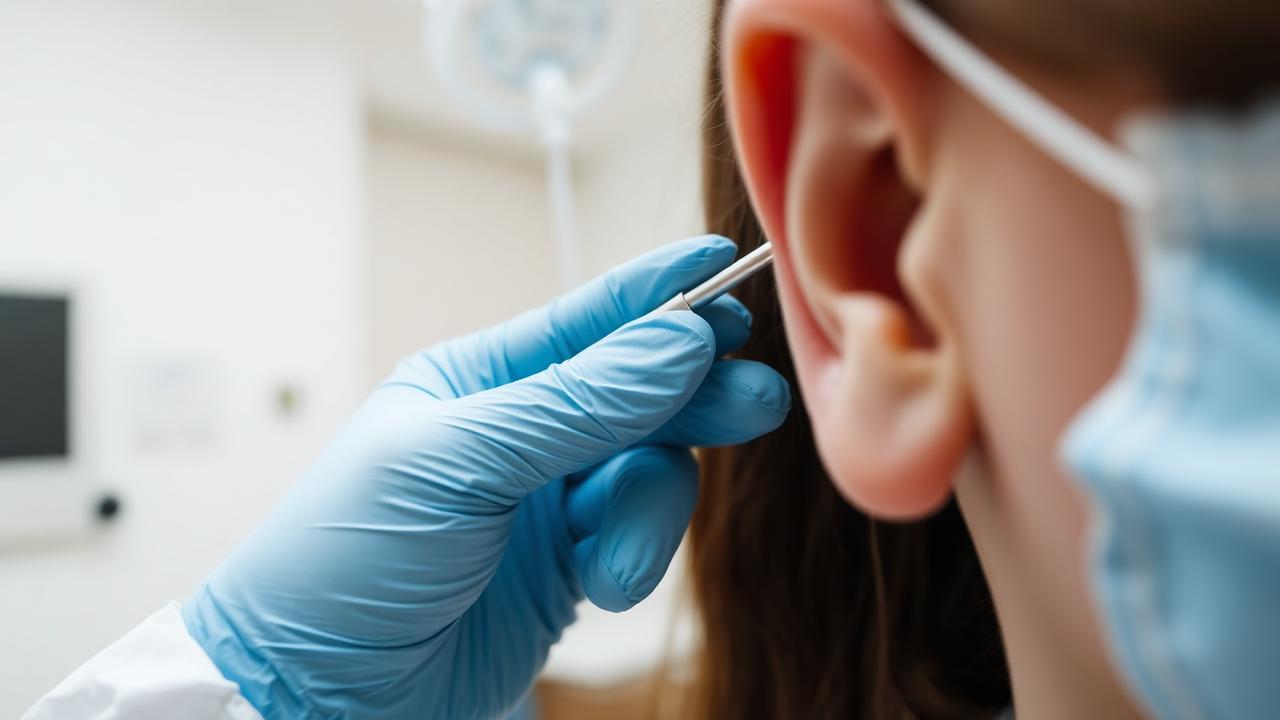
The core problem was blind pressure. A manual syringe delivers an unpredictable jet directly down a canal the operator cannot see into, against an eardrum whose condition is unknown. Reported complications included perforation, otitis externa, damage to canal skin, tinnitus and vertigo. Once microsuction equipment became widely available in primary and private care, there was no clinical argument for continuing.
Where irrigation still has a place
Modern irrigation is not a bad option. For a patient with healthy, intact eardrums, no history of ear surgery or infection, and soft wax that has been well prepared with drops, it is quick, comfortable and effective. Some people also find it less noisy than suction. The limitation is the list of exclusions, which is long enough that many patients cannot have it.
Where microsuction is the only sensible choice
- • A perforated eardrum, past or present.
- • Grommets in place.
- • A mastoid cavity or any previous ear surgery.
- • Recurrent otitis externa or a currently irritated canal.
- • Only one hearing ear, where any risk is unacceptable.
- • A foreign body or hard, adherent wax that water will not move.
If a clinic offers only irrigation and you have any of the above, that clinic cannot safely treat you. Ask which methods are available before booking.
Comfort, noise and what patients actually notice
Irrigation feels odd rather than painful: warm water, then a sudden return of hearing. Microsuction is quieter to the body but louder to the ear, because the suction sits close to the eardrum. The noise is brief and harmless, but it surprises people who were not warned. A good clinician demonstrates it before starting.
How to choose
If your ears are healthy and you have no history of ear problems, either method will work and you can choose on availability and price. If there is any history of perforation, surgery, grommets, infection or dizziness, choose microsuction. If you are unsure of your own history, that is itself a reason to choose the method that lets the clinician see the eardrum throughout.
Frequently asked questions
Clinical References & Sources
- NICE (2020). Earwax: management options. cks.nice.org.uk
- RNID. Earwax removal: health facts. rnid.org.uk
Reviewed 27 July 2026. Next scheduled review: September 2026.