

To unblock an ear at home, first work out why it is blocked. If it is wax, use olive oil or sodium bicarbonate drops twice a day for three to five days and let the blockage soften and work its way out. If it is pressure after a flight or a cold, swallowing, yawning and gentle jaw movement usually clear it within a day. Nothing should ever be pushed into the canal, and if hearing has not returned within a week you need professional ear wax removal in Aylesbury or your nearest clinic rather than another home remedy.
A blocked ear is one of the most common reasons people search for help with their hearing, and also one of the most commonly self-treated with methods that do real damage. This guide separates the three usual causes, gives the safe home approach for each, and sets out the specific signs that mean home treatment is the wrong answer.
Step one: identify what is actually blocking the ear
Wax, pressure and fluid feel similar from the inside but behave completely differently. The clue is usually in how the blockage started and what else you notice alongside it.
| Cause | Typical clue | What helps | What does not |
|---|---|---|---|
| Ear wax | Gradual, often after water exposure, no illness | Softening drops, then suction if needed | Cotton buds, ear candles |
| Pressure (Eustachian tube) | Started on a flight, drive or with a cold | Swallowing, yawning, gentle Valsalva, decongestant | Drops, which cannot reach the middle ear |
| Middle ear fluid | Follows a cold or infection, muffled for weeks | Time, review by a clinician if over 6 weeks | Drops, syringing |
| Foreign body | Sudden, often in children | Same-day clinical removal | Any attempt to fish it out |
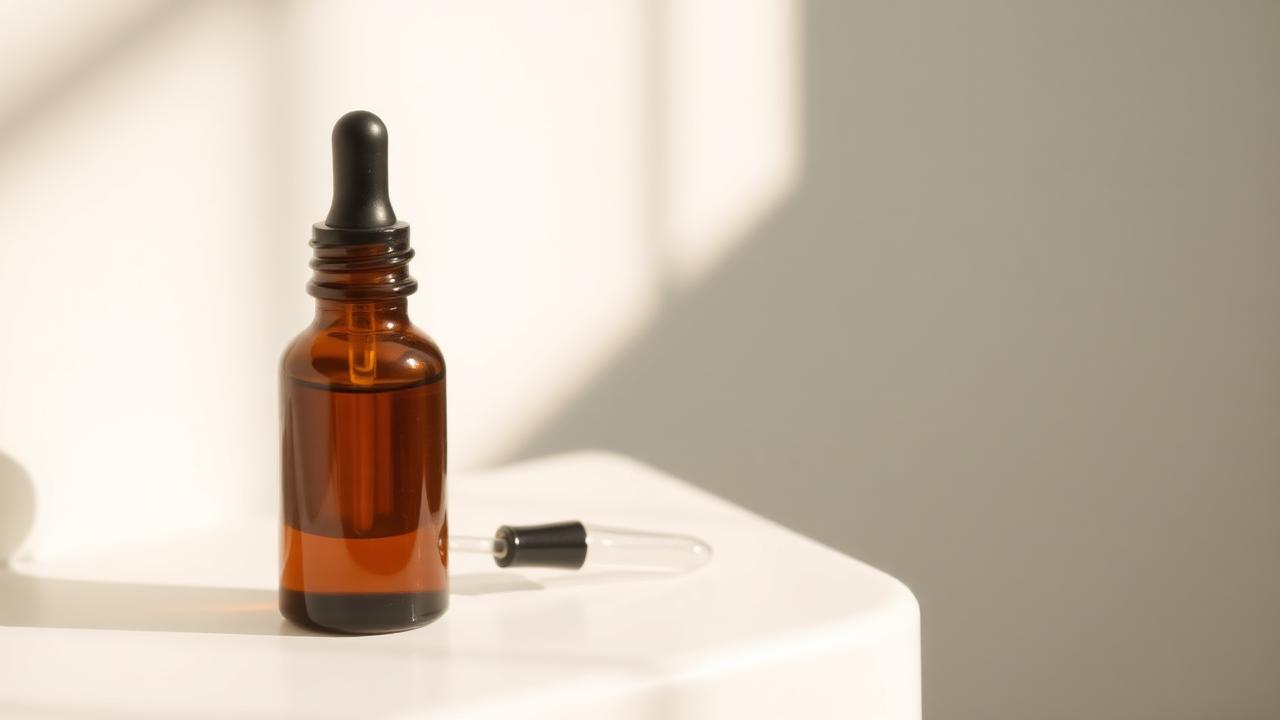
Safe home steps for a wax blockage
- Warm a bottle of medical-grade olive oil to room temperature in your hand. Do not heat it.
- Lie on your side with the blocked ear facing up and place two to three drops into the canal.
- Stay lying down for five minutes, then sit up and wipe away any excess with a tissue.
- Repeat twice a day for three to five days. Expect hearing to feel worse briefly as the wax swells.
- If the ear clears, stop. If it has not cleared after a week, book microsuction rather than continuing indefinitely.
Softening drops are not a cure on their own. NICE describes them as a first step that clears some blockages and makes professional removal easier for the rest.
Safe home steps for a pressure blockage
If the ear blocked during descent on a flight, in a car over the Chilterns, or during a heavy cold, the problem is the Eustachian tube rather than the canal. Swallowing, chewing gum, yawning widely and gentle jaw movement all help the tube open. A gentle Valsalva manoeuvre, pinching the nose and blowing softly with the mouth closed, can equalise pressure, but it must be gentle: forceful blowing can damage the eardrum.
A short course of a decongestant nasal spray can help during a cold, but not for more than a few days. Persistent pressure blockage lasting more than six weeks should be assessed, because prolonged middle ear fluid in adults occasionally has other causes that need a proper look.

The methods to avoid entirely
- • Cotton buds: they compact wax against the eardrum and cause most of the impactions we see.
- • Ear candles: no evidence of benefit, and documented burns, canal blockage from candle wax and perforations.
- • Hairpins, keys, matchsticks: canal skin is thin and bleeds easily, and infection follows.
- • Home irrigation bulbs and syringes: pushing water at an eardrum you cannot see is how perforations happen.
- • Hydrogen peroxide over long periods: it can irritate canal skin and cause dermatitis.
When to stop and see a clinician
Some symptoms mean home treatment is not appropriate at all. Book an appointment, or contact your GP the same day where indicated, if you have any of the following.
- • Sudden hearing loss in one ear with no obvious wax - this needs same-day medical assessment.
- • Pain, discharge, bleeding or a fever alongside the blockage.
- • A known perforated eardrum, grommets, or previous ear surgery - use no drops without advice.
- • Dizziness or vertigo with the blockage.
- • A blockage in a child under 4, or anything you suspect has been pushed into the ear.
What a professional appointment involves
A clinician examines the canal under magnification, which immediately answers the question home methods cannot: is this wax, and is the eardrum intact? If it is wax, microsuction removes it under direct vision in a few minutes, without water. Most patients hear the difference before they leave the chair, and both ears are checked afterwards so nothing is hidden behind the blockage.
Frequently asked questions
Clinical References & Sources
- NICE (2020). Earwax: clinical knowledge summary. cks.nice.org.uk
- NHS (2023). Earwax build-up. nhs.uk
Reviewed 27 July 2026. Next scheduled review: September 2026.