
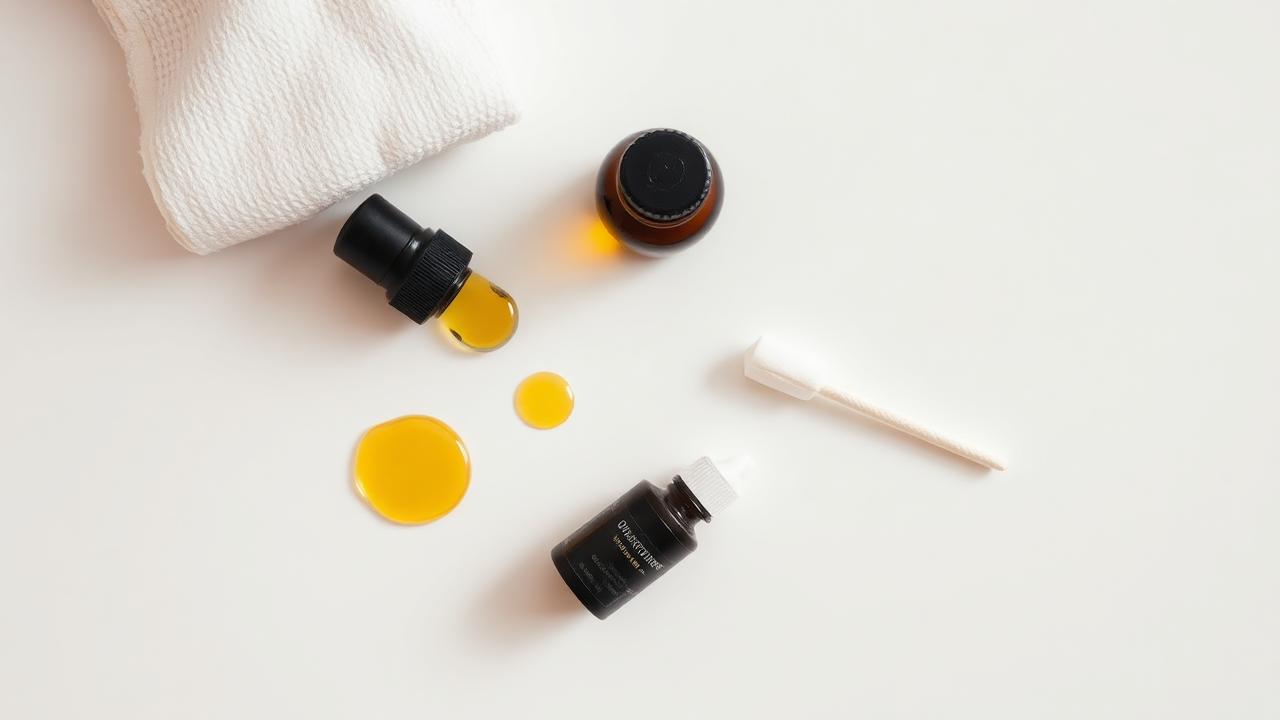
The safest way to remove ear wax is to leave healthy wax alone, soften a symptomatic blockage with olive oil for three to five days, and then have the wax removed professionally if symptoms remain. Ears are self-cleaning: wax migrates outwards on its own. Problems almost always begin when something is pushed inwards, so the single most useful rule is that nothing smaller than your elbow goes into your ear canal.
That said, wax genuinely does block ears, and telling people to do nothing is not advice. Below is every common method ranked by safety, with the evidence for each, so you can decide what to try at home and when to book microsuction ear wax removal instead.
Why ear wax exists at all
Cerumen is a mix of secretions from glands in the outer canal, shed skin cells and hair. It is mildly acidic and antibacterial, it traps dust and insects, and it waterproofs the canal skin. A canal with no wax is more prone to itching, dryness and infection, which is why over-cleaning causes problems of its own.
Wax only needs removing when it causes symptoms - reduced hearing, discomfort, tinnitus, dizziness or a full sensation - or when it blocks a clinician's view of the eardrum, or when it stops a hearing aid working properly.
Methods ranked by safety
| Method | Safety | Effectiveness | Verdict |
|---|---|---|---|
| Microsuction | Highest, water-free, direct vision | High | Clinical gold standard |
| Manual instrument removal | High, needs direct vision | High for firm wax | Used alongside suction |
| Softening drops (olive oil) | High | Moderate on its own | Good first step |
| Clinical irrigation | Good with an intact eardrum | High | Not for perforations or grommets |
| Hydrogen peroxide | Moderate, irritates with overuse | Moderate | Short-term only |
| Home irrigation bulbs | Low | Variable | Avoid |
| Cotton buds | Very low | Counterproductive | Avoid |
| Ear candling | Very low, documented burns | None | Avoid |
Ranking reflects UK clinical guidance from NICE and the NHS, plus everyday clinic experience.
How to use softening drops properly
Most people under-use drops and then conclude they do not work. The effective routine is two to three drops of room-temperature olive oil, twice a day, for three to five days, lying on your side for five minutes each time so the oil stays in the canal rather than running straight out. Sodium bicarbonate ear drops from a pharmacy work as well and are slightly better on very hard wax.
Do not use drops if you have a perforated eardrum, grommets, discharge, or an ear that is currently painful. Get the ear looked at first.

Why cotton buds are the main cause of impaction
A cotton bud removes a little wax from the entrance and pushes the rest deeper, past the narrowest part of the canal, where the natural outward migration cannot reach it. Over months this creates a dense plug against the eardrum that no home method can shift. A large share of the impactions we treat have a bud, a corner of a towel or an earphone tip behind them.
What professional removal actually involves
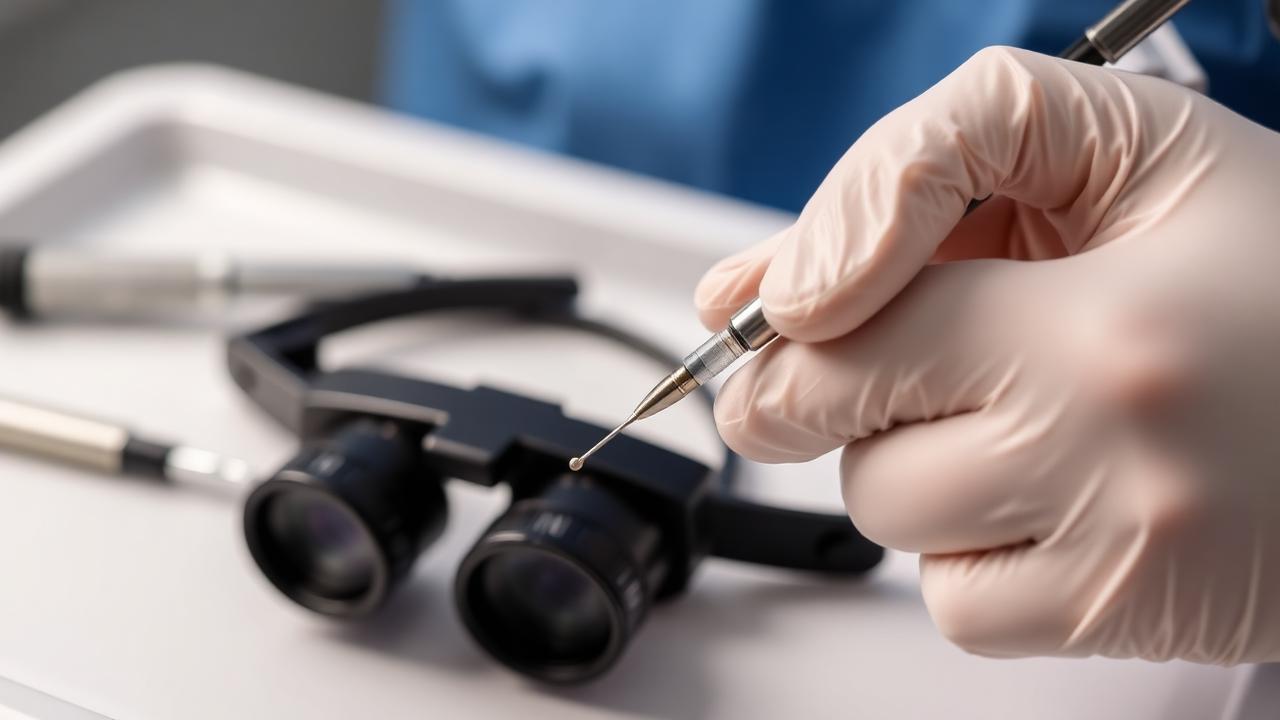
In clinic, wax removal begins with a magnified look at the canal and eardrum. That single step rules out perforations, infection and foreign bodies, none of which can be judged from symptoms alone. Suction then lifts the wax out in stages under continuous direct vision, with fine instruments used for anything firmly adherent. The appointment takes 15 to 30 minutes and both ears are re-examined at the end.
How to keep wax under control afterwards
- • Use two drops of olive oil once a week if you are prone to build-up, not daily.
- • Dry your ears gently after swimming and showering rather than digging.
- • Clean hearing aid domes and earphone tips weekly - they reintroduce wax every time you wear them.
- • Take earphones out for a break each hour rather than wearing them for a whole working day.
- • Book a check every six to twelve months if you have previously needed removal twice or more.
Frequently asked questions
Clinical References & Sources
- NHS (2023). Earwax build-up. nhs.uk
- NICE (2020). Earwax: clinical knowledge summary. cks.nice.org.uk
Reviewed 27 July 2026. Next scheduled review: September 2026.