
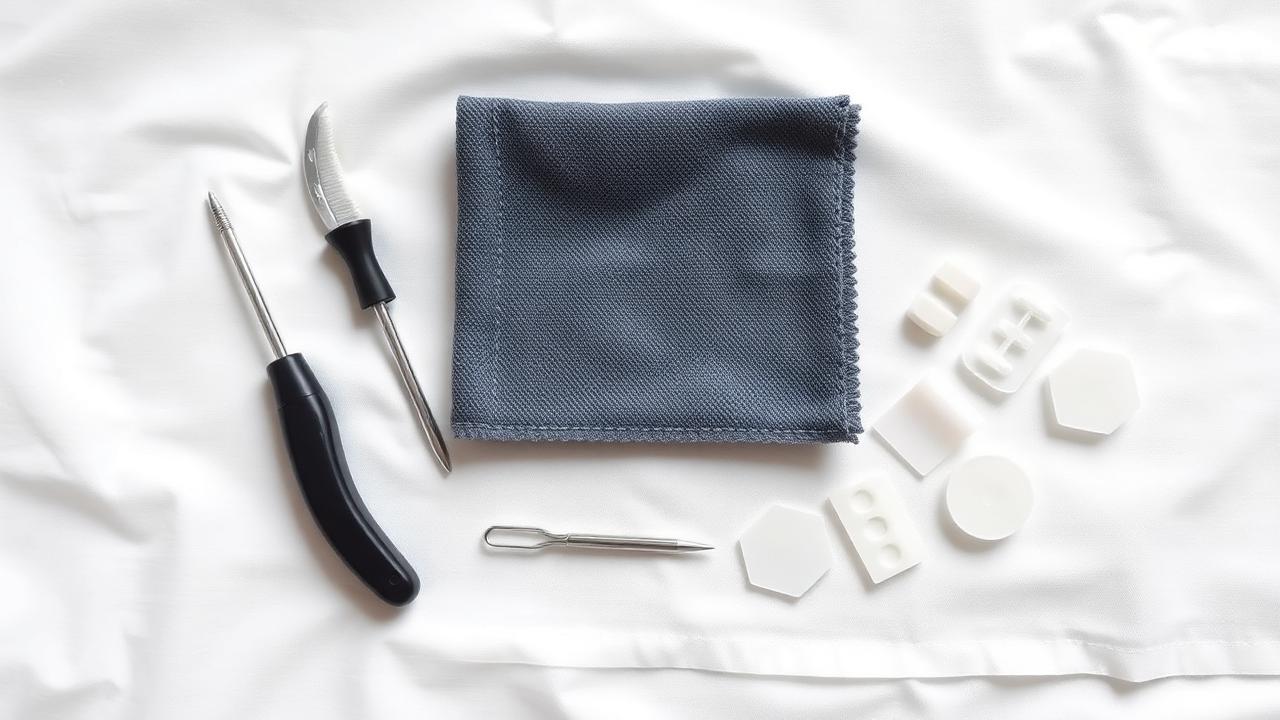
Clean hearing aids with a dry cloth and a soft brush every night, never with water, alcohol or wipes. Brush the microphone ports, wipe the casing, check the dome for wax, and leave the battery door open or the devices on charge overnight. Change wax filters when the sound dulls, and replace domes monthly. Two minutes a night prevents the majority of repairs we see — and anything the routine cannot fix is worth booking in with our audiologists in Aylesbury rather than poking at.
The instinct most people have — to run something under a tap, or to use an alcohol wipe because it feels more hygienic — is exactly what destroys hearing aids. They are moisture-sensitive electronics sitting in the warmest, waxiest part of the body. Dry cleaning, done consistently, is the whole answer.
What you need
- • A dry, lint-free microfibre cloth.
- • The small brush supplied with your devices, or a soft dry toothbrush.
- • A wax pick or loop for domes and vents.
- • Spare wax filters matched to your model.
- • Spare domes in your fitted size.
- • A drying pot or electric dehumidifier, particularly if you sweat or work outdoors.
The daily routine, in order
- Remove the devices and wipe the whole casing with the dry cloth.
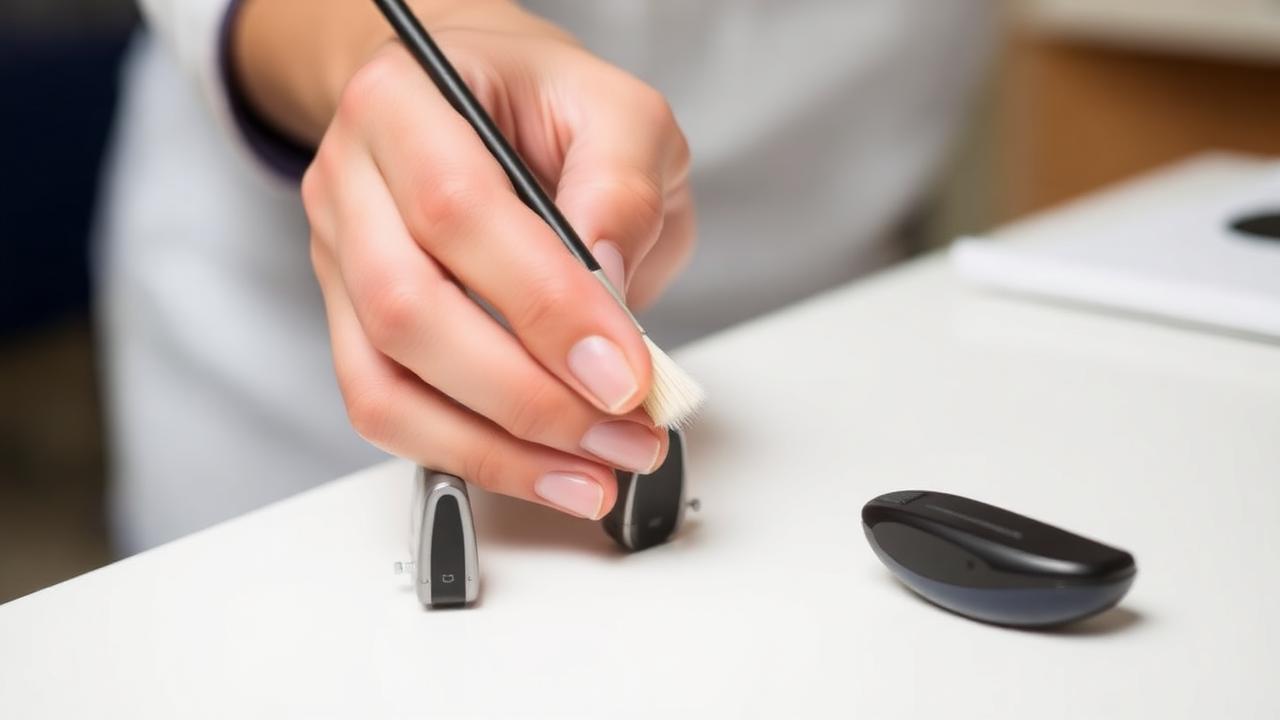
- Hold the aid microphone-side down and brush gently across the ports so debris falls away rather than in.
- Inspect the dome or mould under a light. If you can see wax, remove the dome and clean or replace it.
- Check the wax filter. If the sound has been dull, change it — filters are consumables, not permanent parts.
- Put the devices in the charger, or open the battery door fully and place them in a drying pot overnight.
Always brush downwards with the microphone facing the floor. Brushing upwards pushes debris further into the port.
Weekly and monthly tasks by device type
| Task | How often | Applies to |
|---|---|---|
| Replace dome | Monthly, or when discoloured | RIC and thin-tube BTE |
| Replace wax filter | Every 1-3 months, or when sound dulls | RIC and ITE |
| Wash earmould in warm soapy water | Weekly, detached from the aid, dried fully | BTE with custom mould |
| Replace tubing | Every 6-9 months | BTE with custom mould |
| Clean charger contacts with a dry cloth | Weekly | Rechargeable devices |
| Professional service and deep clean | Annually | All devices |
Cleaning tubing and moulds
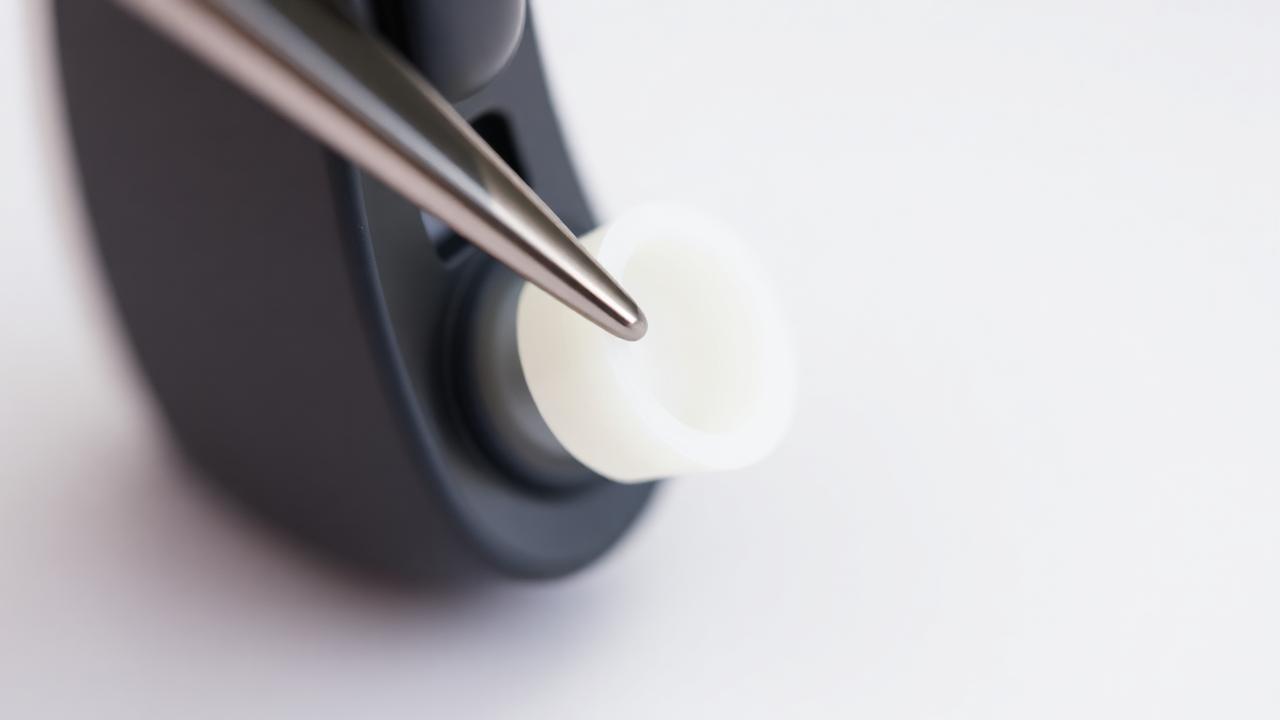
A custom earmould on a behind-the-ear aid is the one part you can safely wash — but only after detaching it completely from the device. Use warm water with a little mild soap, rinse, then leave it to dry fully overnight before reattaching. Never reconnect a damp mould: the moisture travels up the tube into the hearing aid. A puffer bulb clears trapped water from the tubing in seconds and is worth the few pounds it costs.
The mistakes that cause most repairs
- • Running devices under a tap, or cleaning with alcohol, baby wipes or antibacterial spray.
- • Using a cotton bud on the microphone port, which sheds fibres into it.
- • Wearing hearing aids in the shower, sauna or swimming pool.
- • Applying hairspray, sunscreen or moisturiser with the devices in.
- • Leaving the devices on a windowsill, radiator or car dashboard to dry out.
- • Waiting for total silence before changing a wax filter.
When cleaning is not the problem
If a device still sounds dull after a new filter and a fresh dome, the wax may be in your ear rather than the hearing aid. Daily wear reduces the ear's natural self-cleaning, so build-up is common in hearing aid users. Professional ear wax removal in Aylesbury clears it under direct vision without water, which matters when you have devices to put straight back in afterwards.
Frequently asked questions
Clinical References & Sources
- RNID. Looking after your hearing aids. rnid.org.uk
- NHS (2023). Hearing aids and implants. nhs.uk
- NICE (2020). Earwax: clinical knowledge summary. cks.nice.org.uk
Reviewed 27 July 2026. Next scheduled review: September 2026.