
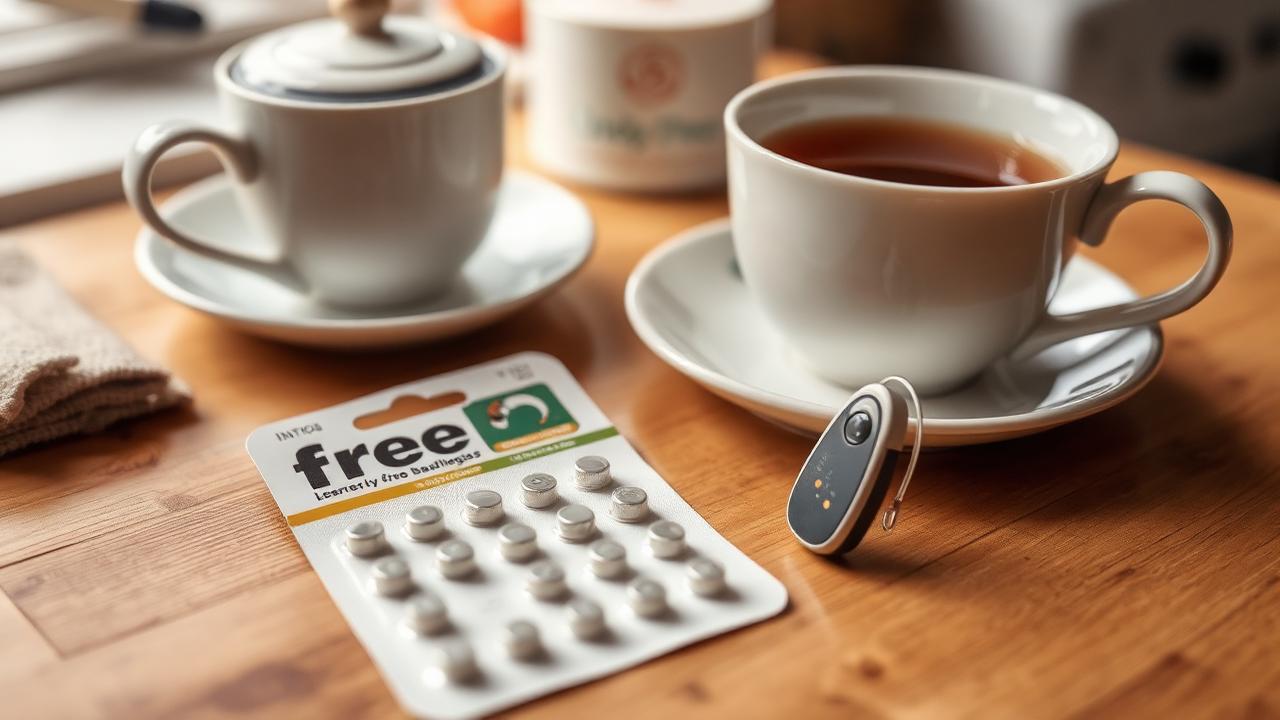
Yes — NHS hearing aids are free for pensioners, and in fact free for everyone in the UK regardless of age or income. They are supplied on indefinite loan with free batteries, free repairs and free replacement if a device fails. There is no age threshold and no means test. Private hearing aids, by contrast, are paid for, and the reasons people over 65 still choose them are speed, style choice and technology level rather than eligibility — our hearing aids in Aylesbury start at £1,195 per pair for that route.
What free NHS provision actually includes
| Included free | Not included |
|---|---|
| The hearing aids themselves, on loan | Ownership — they remain NHS property |
| Assessment and fitting | Choice of premium technology level |
| Batteries, indefinitely | Discreet in-the-ear or in-canal styles, in most areas |
| Repairs and replacement of faults | Replacement if you lose them, in some trusts |
| Follow-up appointments | Same-week aftercare in most areas |
| Reprogramming if hearing changes | Rapid access without a wait |

How to get them
- Book a GP appointment and describe the specific difficulties, not just 'my hearing is going'.
- Ask for referral to NHS audiology, or to a local any-qualified-provider hearing service if your area uses one.
- Attend the hearing assessment, where an audiogram is taken.
- Attend the fitting appointment, usually a few weeks later.
- Attend the follow-up. Small adjustments in the first two months make an enormous difference to whether people keep wearing their devices.
Free NHS hearing aids are the right choice for many people. Nobody should go without hearing support because private devices are unaffordable.
Other help worth knowing about
- • Attendance Allowance may be available if hearing loss and other conditions mean you need help with personal care. It is not means-tested.
- • Access to Work can fund equipment and support if you are still working.
- • Some charities and local schemes fund equipment such as amplified telephones, doorbell alerts and TV listeners.
- • Free NHS ear wax removal is not universally commissioned; check locally, because wax build-up is a common reversible cause of reduced hearing in older adults.
When people over 65 choose to pay
The usual reasons are practical. A long local wait, when hearing loss is already affecting family life. A wish for a discreet in-canal device. Difficulty specifically in restaurants and group settings, where premium speech-in-noise processing genuinely outperforms mid-range technology. Or simply wanting unhurried appointments and quick access when something needs adjusting. Our page comparing NHS and private hearing aids sets out the trade-off in full, and the hearing aid cost page covers finance options including 0% interest-free credit.
Do not wait it out
Untreated hearing loss is associated with social withdrawal, low mood and greater difficulty with communication over time, and NICE recommends prompt assessment rather than watchful waiting once hearing loss is affecting daily life. Whichever route you take, being assessed matters more than which devices you end up with. If your hearing has changed suddenly, in one ear, or alongside dizziness, treat that as urgent and contact your GP or NHS 111 the same day rather than booking a routine appointment.
Frequently asked questions
Clinical References & Sources
- NHS (2023). Hearing aids and implants. nhs.uk
- NICE (2018). Hearing loss in adults: assessment and management. NG98. nice.org.uk
- GOV.UK. Attendance Allowance. gov.uk
Reviewed 27 July 2026. Next scheduled review: September 2026.