
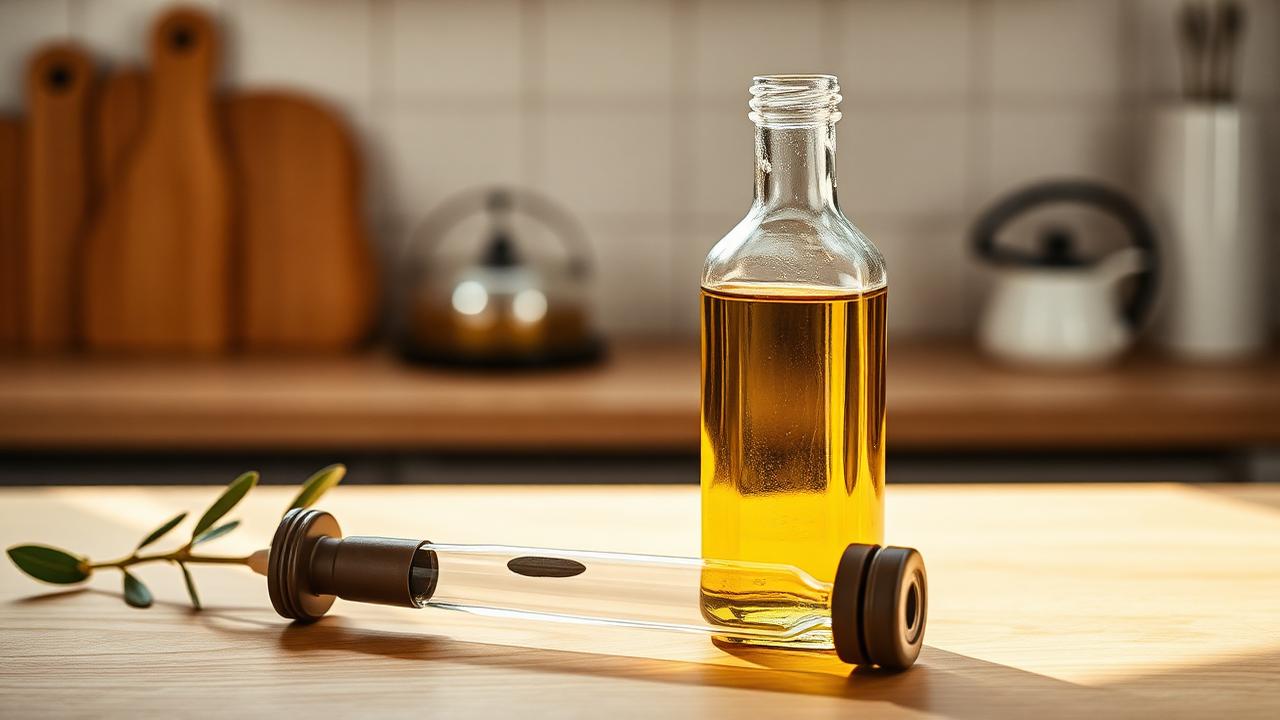
Olive oil softens ear wax and helps a proportion of blockages clear on their own, but it does not dissolve wax and it will not shift a firm impaction. Used correctly - two to three drops twice a day for three to five days - it either clears the ear or makes a microsuction appointment quicker and more comfortable. Used for weeks with no improvement, it simply delays the point at which you have the wax removed professionally.
What the evidence actually shows
NICE guidance recommends softening drops as a first-line option for symptomatic wax, and lists olive oil, almond oil, sodium bicarbonate and commercial cerumenolytics as reasonable choices. Trials comparing them have generally found little difference between agents, and some studies found water performed similarly. What is consistent is that softening improves the success rate of subsequent removal, whichever agent is used.
The realistic expectation: drops clear some blockages, prepare the rest, and are a poor long-term substitute for removal when symptoms persist.

The correct routine
- Use a medical-grade olive oil ear drop, or plain olive oil warmed only to room temperature in your hand.
- Lie with the affected ear facing up and instil two to three drops.
- Stay in position for five minutes so the oil travels down the canal rather than straight back out.
- Sit up and wipe the outer ear. Do not plug the canal with cotton wool for long periods.
- Repeat morning and evening for three to five days, then stop and assess.
| Softening agent | Availability | Notes |
|---|---|---|
| Olive oil | Pharmacy or supermarket | Gentle, widely recommended, cheapest |
| Almond oil | Pharmacy | Avoid with nut allergy |
| Sodium bicarbonate 5% | Pharmacy | Slightly better on hard, dry wax; can dry the canal |
| Commercial cerumenolytics | Pharmacy | Convenient, no clear advantage over oil |
| Water | Free | Some evidence of similar effect, less practical |
Common mistakes
- • Using drops once and giving up when hearing feels worse - a temporary dip is expected as wax swells.
- • Heating the oil, which risks burning the canal and can trigger dizziness.
- • Continuing for weeks or months, which irritates the canal skin and delays treatment.
- • Using drops in an ear with a perforation, grommets, discharge or pain.
- • Plugging the ear with cotton wool afterwards, which soaks the oil straight back out.
When olive oil will not be enough
Firm, dark, adherent wax that has been building for months rarely clears with oil alone, and neither does wax packed against the eardrum by cotton buds or earphones. If you have had a blockage for more than a week of proper drop use, if hearing is significantly reduced, or if you wear hearing aids and the aids have started whistling, the practical step is a clinical appointment rather than another bottle.
Using olive oil for prevention
For people prone to repeated build-up, a maintenance routine of two drops once a week is often enough to keep wax soft and moving. Daily long-term use is unnecessary and can leave the canal permanently greasy, which encourages debris to stick.
Frequently asked questions
Clinical References & Sources
- NICE (2020). Earwax: prescribing information for ear drops. cks.nice.org.uk
- NHS (2023). Earwax build-up: treatment. nhs.uk
Reviewed 27 July 2026. Next scheduled review: September 2026.