
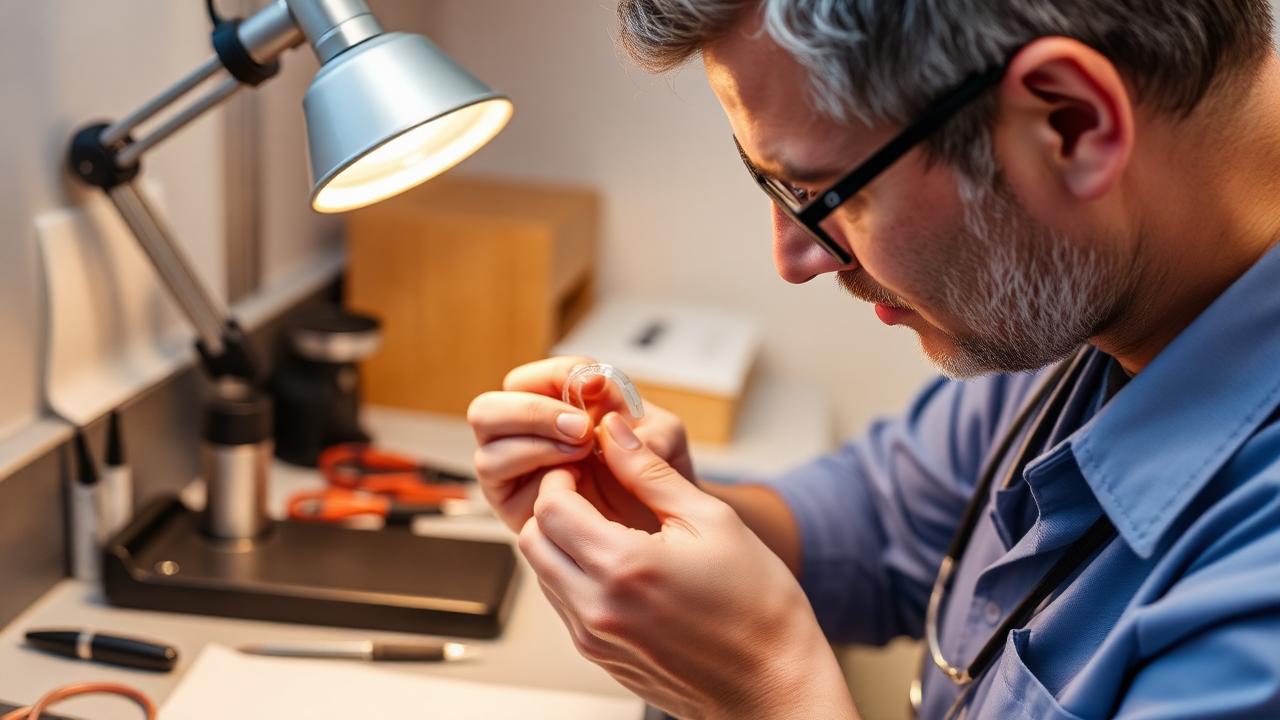
Good hearing aid aftercare means an annual service and deep clean, a hearing recheck every two years, reprogramming when your hearing changes, consumables like domes and wax filters, and quick access when something goes wrong. It is the part of the purchase that determines whether devices stay in daily use — which is why aftercare at our Aylesbury hearing aid clinic is included for the life of the devices rather than charged per visit.
Roughly one in five people who own hearing aids stop wearing them. Very often the cause is not the technology: it is a device that dulled because nobody changed the filter, a fitting that drifted as hearing changed, or an adjustment nobody could get an appointment for.
A sensible aftercare schedule
| What | How often | Why |
|---|---|---|
| Home clean and dry | Daily | Prevents most faults before they start |
| Dome replacement | Monthly | Domes harden, discolour and split |
| Wax filter change | 1-3 months | Blocked filters are the top cause of 'dead' aids |
| Professional service and deep clean | Annually | Reaches what home cleaning cannot |
| Fitting review | Annually | Confirms output still matches prescription |
| Full hearing retest | Every 2 years | Hearing changes; programming must follow |
| Tubing replacement (BTE) | 6-9 months | Hardened tubing causes feedback and loss of sound |
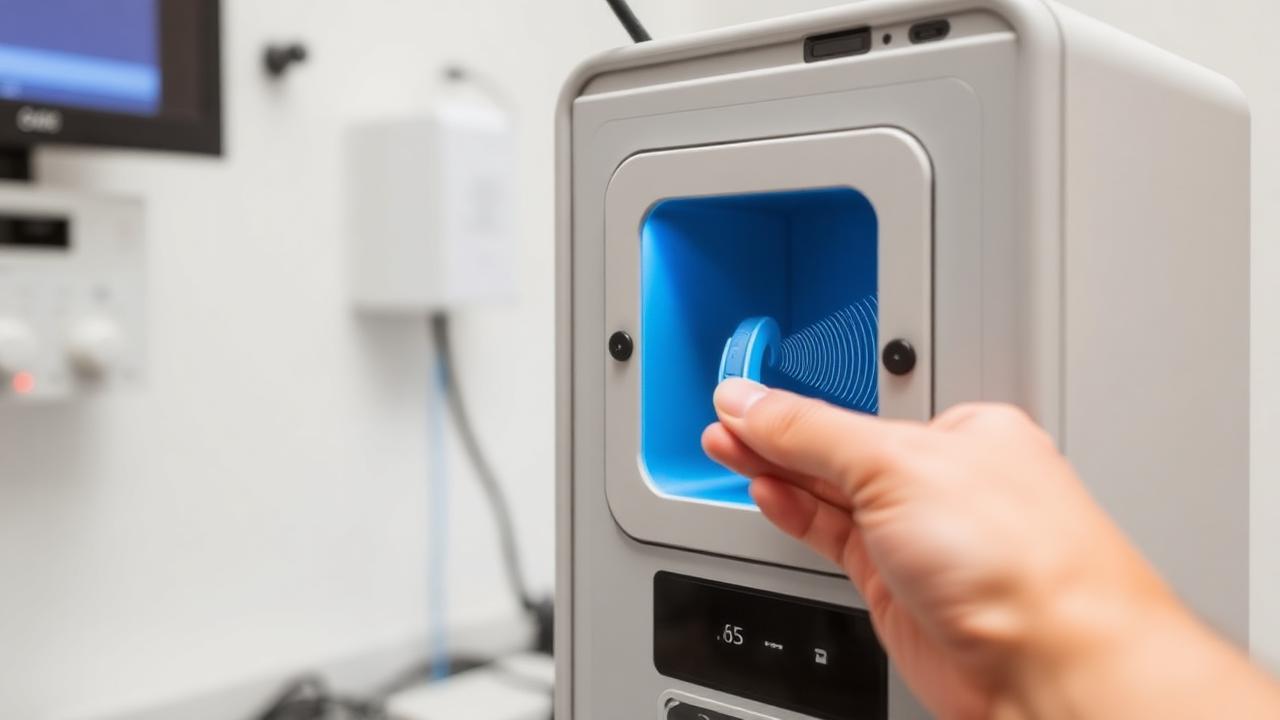
What a service appointment involves
- Otoscopy to check the ear canals — often the actual cause of a 'faulty' device is wax.
- Deep clean of the casing, microphone ports, receiver and vents with proper tools.
- New domes, filters and, where relevant, tubing.
- Listening check and, where indicated, a test-box measurement to confirm the device is performing to specification.
- Firmware update, which frequently improves noise handling and connectivity.
- Fine-tuning based on what you have found difficult since the last visit.
Bring the situations, not just the device. 'I lose people in the car' or 'the microwave is painfully loud' gives an audiologist something specific to adjust.
Repairs: what can and cannot be fixed
Most faults are repairable in clinic on the day: blocked receivers, failed filters, split tubing, worn domes and dirty charging contacts. Manufacturer repairs — usually water damage, failed microphones or a dead receiver inside the shell — take one to two weeks and are covered under the five-year warranty if the device is faulty rather than damaged. Ask for a loan device while yours is away; being without hearing for a fortnight is a genuine problem, not an inconvenience.

The first eight weeks matter most
Adaptation is a brain process, not just an equipment one. Sounds you had stopped hearing — kettles, footsteps, paper, your own voice — return all at once and feel intrusive. Wearing devices consistently rather than only for 'important' occasions is what shortens that period. Expect small adjustments at two weeks and again at six to eight weeks; these follow-ups do more for long-term satisfaction than the technology level does.
Questions worth asking before you buy anywhere
- • Is aftercare included for the life of the devices, or charged per appointment?
- • Are domes, filters and tubing included, or extra?
- • How quickly can I be seen if something stops working?
- • Is a loan device available during a manufacturer repair?
- • Is reprogramming included if my hearing changes in three years?
- • Will I see an HCPC-registered audiologist at follow-ups, or a technician?
If you are comparing providers, weigh those answers alongside the headline figure on our hearing aid prices page — a lower purchase price with charged aftercare often costs more over five years.
Frequently asked questions
Clinical References & Sources
- NICE (2018). Hearing loss in adults: assessment and management. NG98. nice.org.uk
- RNID. Getting the best from your hearing aids. rnid.org.uk
- NHS (2023). Hearing aids and implants. nhs.uk
Reviewed 27 July 2026. Next scheduled review: September 2026.