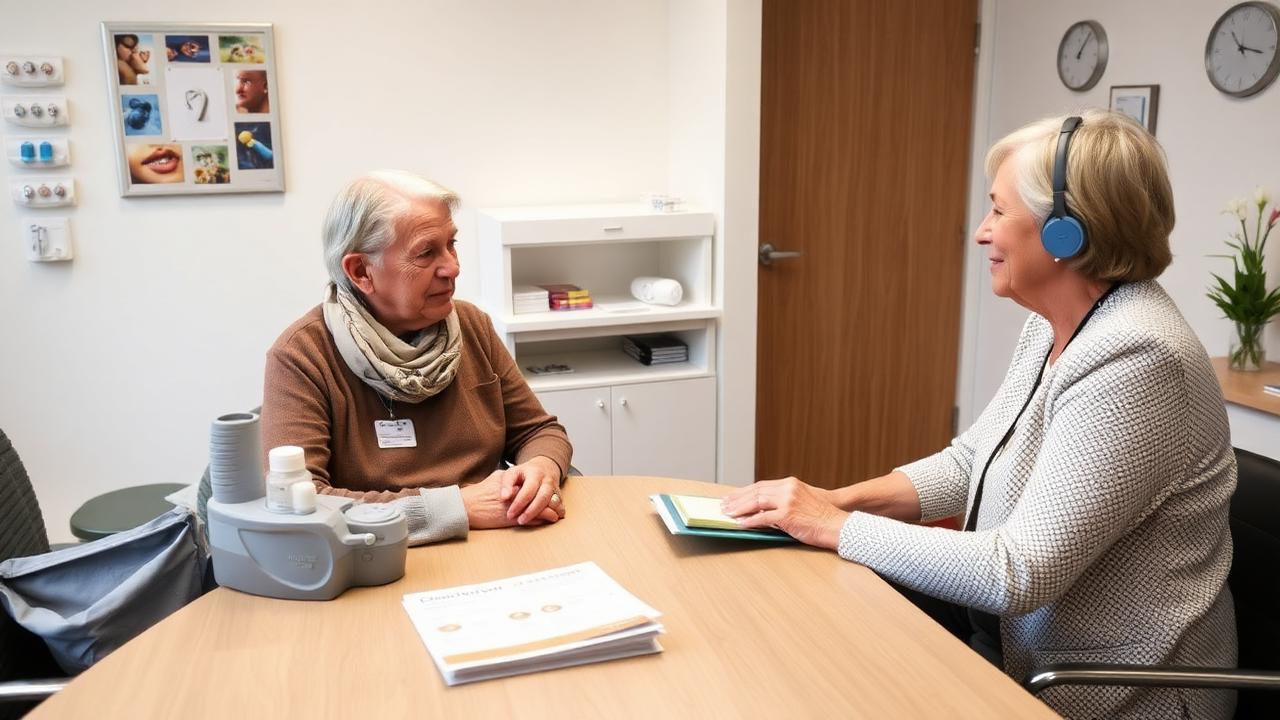
Private hearing aids in the UK typically cost between £1,195 and £2,495 per pair in 2026, with the price determined by technology level rather than brand. NHS hearing aids are free on loan. At Audio Hearing our hearing aid prices in Aylesbury run from £1,195 for essential technology to £2,495 for premium, and every price includes the assessment, fitting with real ear measurement, and lifetime aftercare — which is the part worth checking carefully wherever you buy.
What each technology level costs
| Level | Price per pair | Best suited to |
|---|---|---|
| Essential | £1,195 | Quieter homes, one-to-one conversation, first-time users |
| Standard | £1,595 | Everyday listening with some background noise |
| Advanced | £1,895 - £1,995 | Active social lives, regular group conversation |
| Premium | £2,295 - £2,495 | Frequent restaurants, meetings and demanding environments |
Prices quoted per pair. Single devices are available where only one ear needs support, but binaural fitting is the norm where both ears have loss.
What you are actually paying for
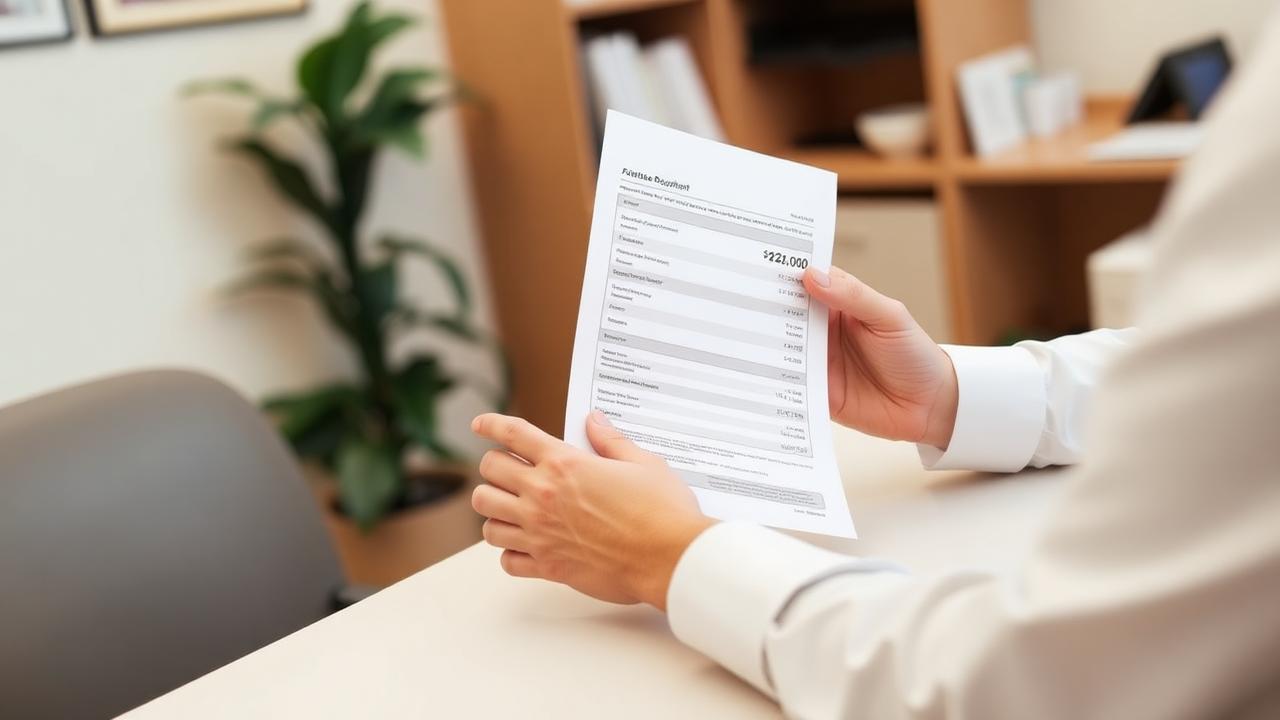
The device itself is usually less than half the total. The rest is clinical: a diagnostic hearing test, the fitting appointment, real ear verification, follow-up adjustments, and ongoing servicing for the life of the devices. A price that looks low often excludes some of these and charges for them later, which is why comparing headline figures alone is misleading.
- • Full diagnostic hearing assessment with an HCPC-registered audiologist.
- • The devices themselves, at the chosen technology level.
- • Fitting appointment including real ear measurement verification.
- • Follow-up review once you have worn them in real life.
- • Five-year manufacturer warranty.
- • Sixty-day money-back guarantee.
- • Free lifetime aftercare: cleaning, adjustments, reviews and firmware updates.
Why the same brand varies so much in price
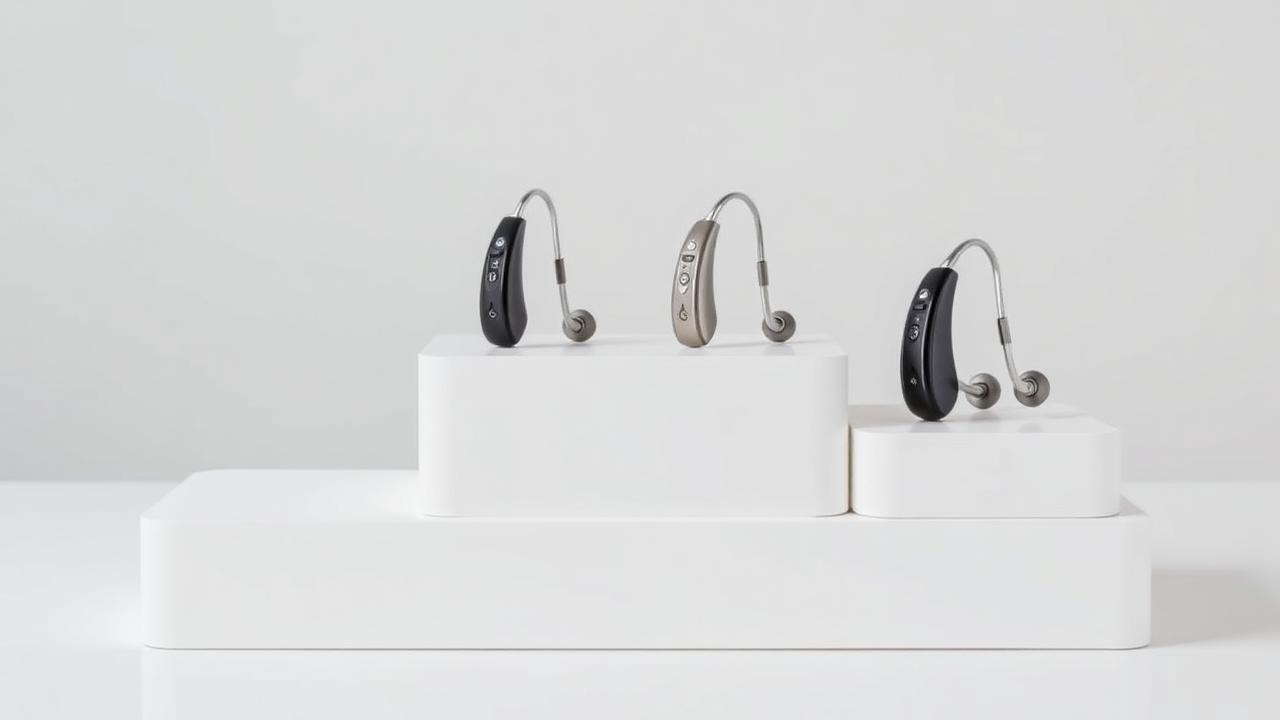
Each manufacturer builds one platform and releases it at four levels. The physical device often looks identical between them; what differs is how much of the processing is enabled — the number of channels, how fast the device adapts as you move between environments, and how aggressively it can separate speech from background noise. That is why the price gap tracks lifestyle rather than hearing loss severity. Someone with a significant loss who is mostly at home may do very well on essential technology. Someone with a mild loss who chairs meetings daily may not.
NHS versus private
NHS hearing aids are provided free on loan, including batteries and repairs, and the devices are genuinely good — typically mid-range behind-the-ear models from the same manufacturers used privately. What differs is waiting time, choice of style and technology level, appointment length, and how quickly you can be seen for adjustments. Our page comparing NHS and private hearing aids sets out the trade-off honestly, including the cases where the NHS route is clearly the better choice.
Spreading the cost
We offer 0% interest-free credit over up to ten months on selected devices, which brings a £1,595 pair to around £160 a month with no interest added. There are no hidden fees on the money-back guarantee: if the devices are not right within sixty days, the refund is full, with no deductions for the appointments used.
Questions worth asking anywhere you buy
- Is real ear measurement included at fitting, and will you show me the results?
- What exactly does aftercare cover, and for how long?
- Is the trial period a full refund or a partial one?
- How long is the warranty, and does it cover loss as well as fault?
- What happens if my hearing changes in three years — is reprogramming included?
- Am I seeing an HCPC-registered audiologist or a sales adviser?
Frequently asked questions
Clinical References & Sources
- NHS (2023). Hearing aids and implants. nhs.uk
- RNID. Buying hearing aids privately. rnid.org.uk
- NICE (2018). Hearing loss in adults: assessment and management. NG98. nice.org.uk
Reviewed 27 July 2026. Next scheduled review: September 2026.